Dave Fox – our allotment soul

Dave Fox, a member and Secretary of our Society for more than twenty-five years, died peacefully at home on 7th June.  He made a huge contribution to our allotment community.

Dave came to the allotments in the late 1990s, at a time when the site was less than half used, and most members were older, family men – we had only two female members.  Dave quickly developed a passion for growing, he said he couldn’t believe you could put a few seeds in the ground and a month later be eating the produce!  

Dave had been an activist all his adult life, channelling his intellect and passion into action, in support of anti-apartheid, anti-nuclear, anti-fox hunting and climate justice.  So, with typical Dave energy, he didn’t just grow vegetables, he took on the job of promoting and protecting allotments for the benefit of others.  

At the time Dave came to the Foster Road site, abandoned allotment sites in Cambridge were being lost and he was concerned that empty plots would be a draw for developers to build on. He started to help manage our site and better advertise the vacant plots.  Dave and others actively campaigned against Cambridge football club building on local allotment sites and they succeeded in saving some of the land.  When developers did not want more allotments on the new sites around Trumpington, because they looked scruffy, Dave challenged them.  He cited planning regulations that require developers to include a certain area of allotment per new household, so the three allotment sites in ‘new’ Trumpington were built and are now full and well used.

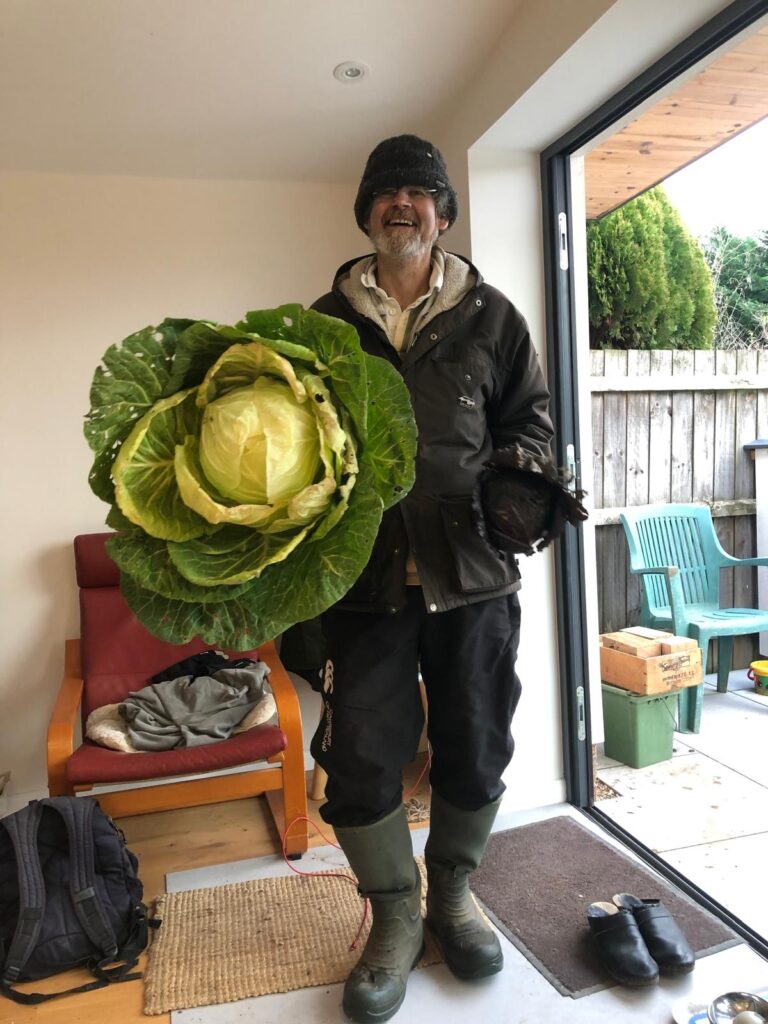
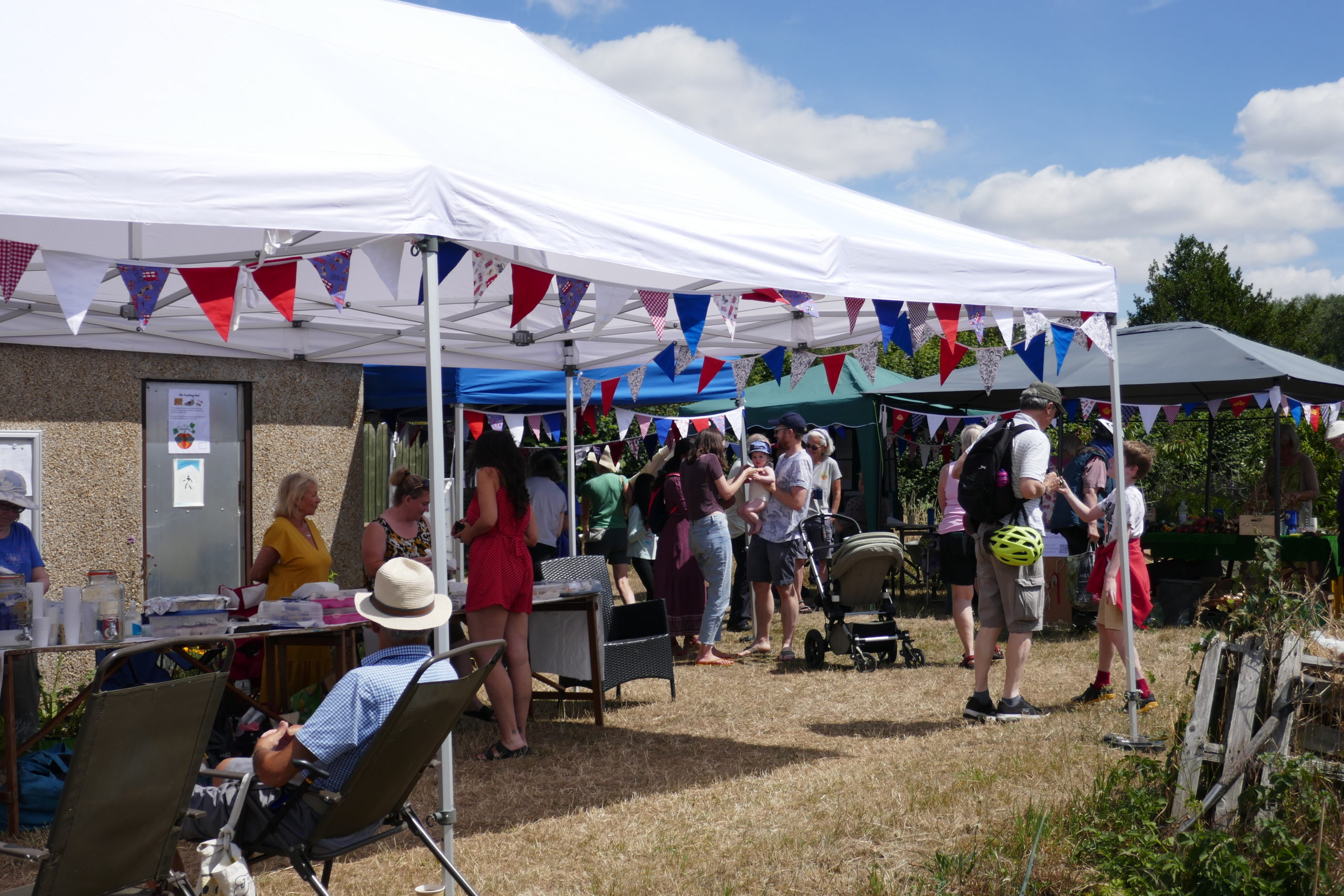
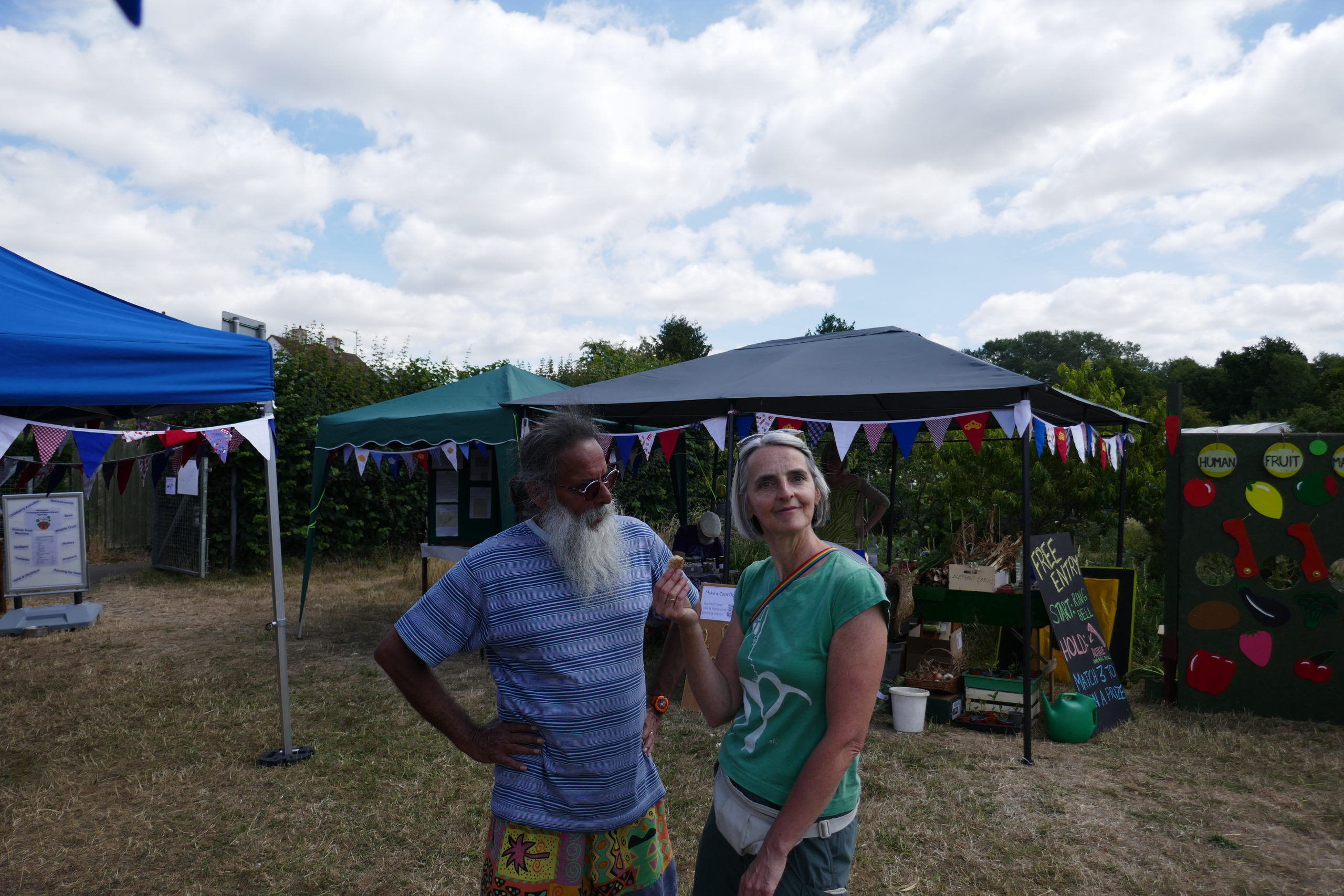
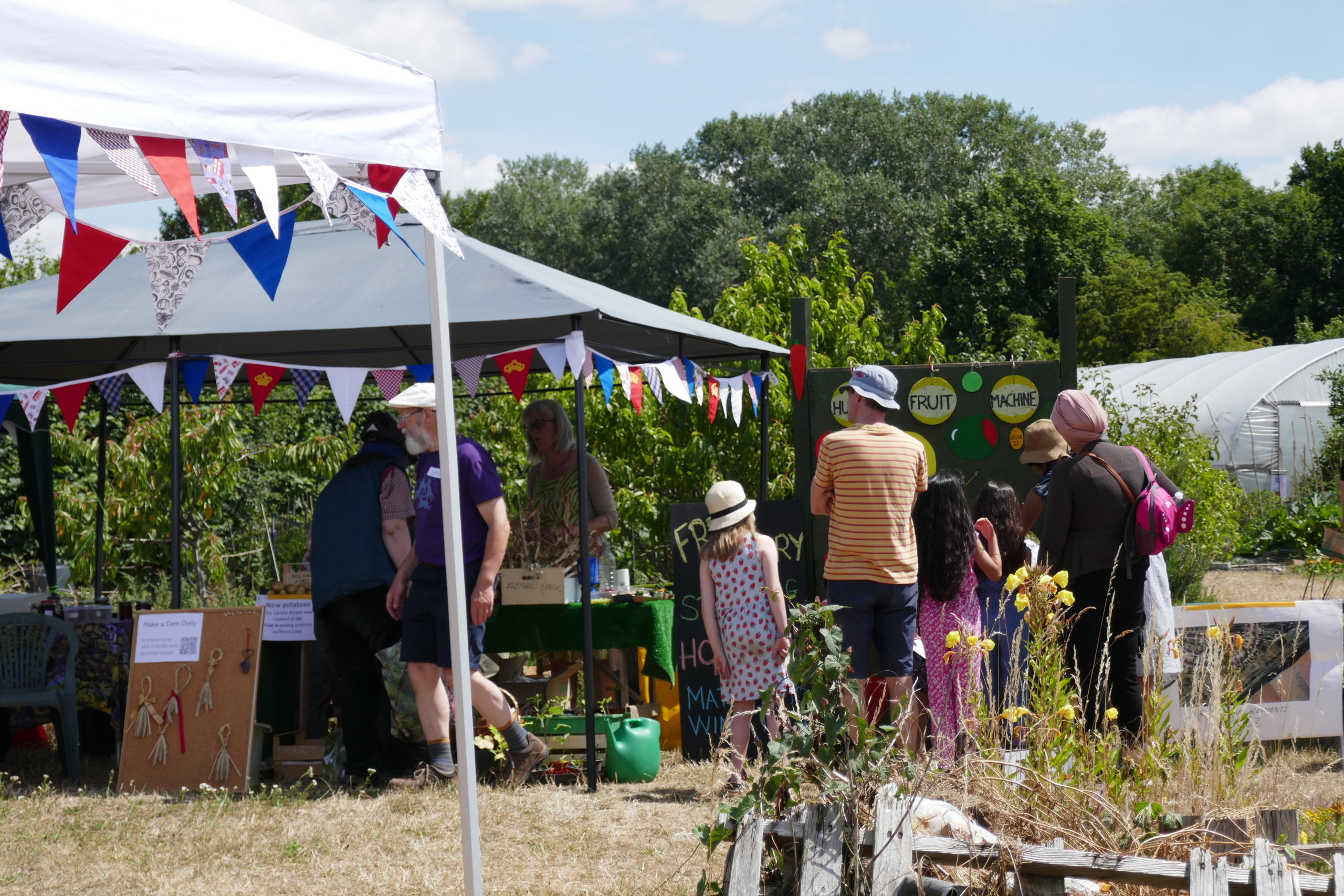
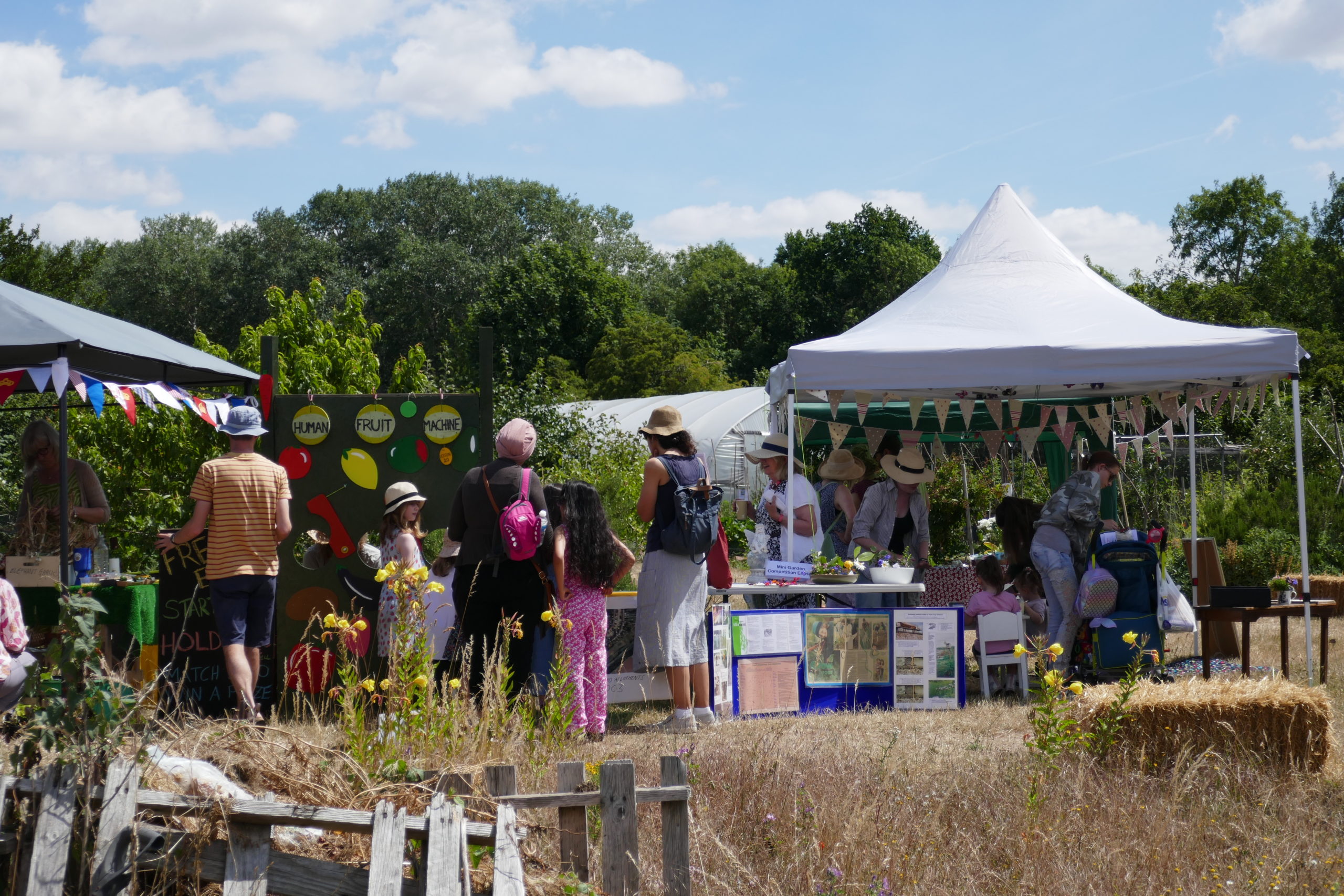
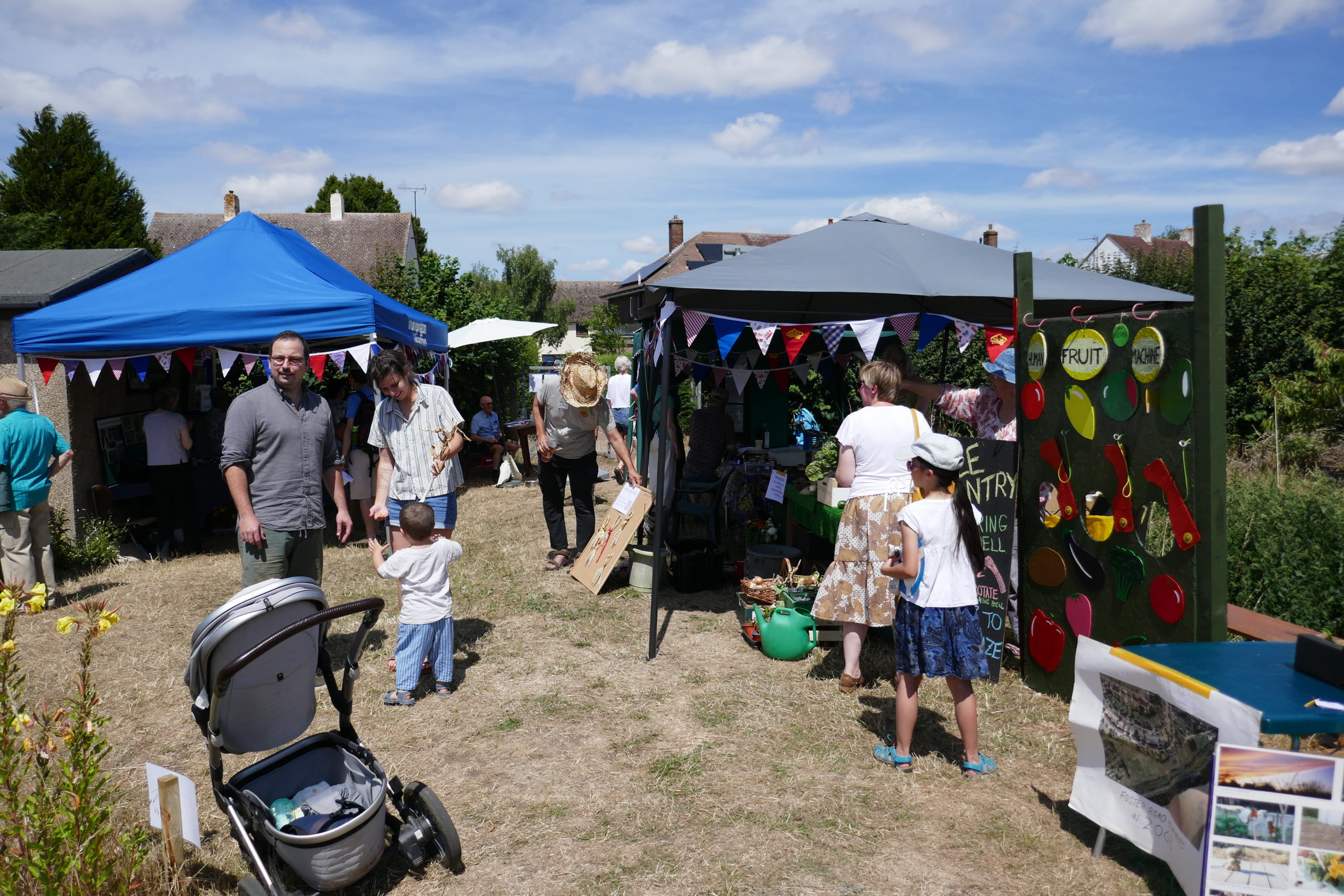
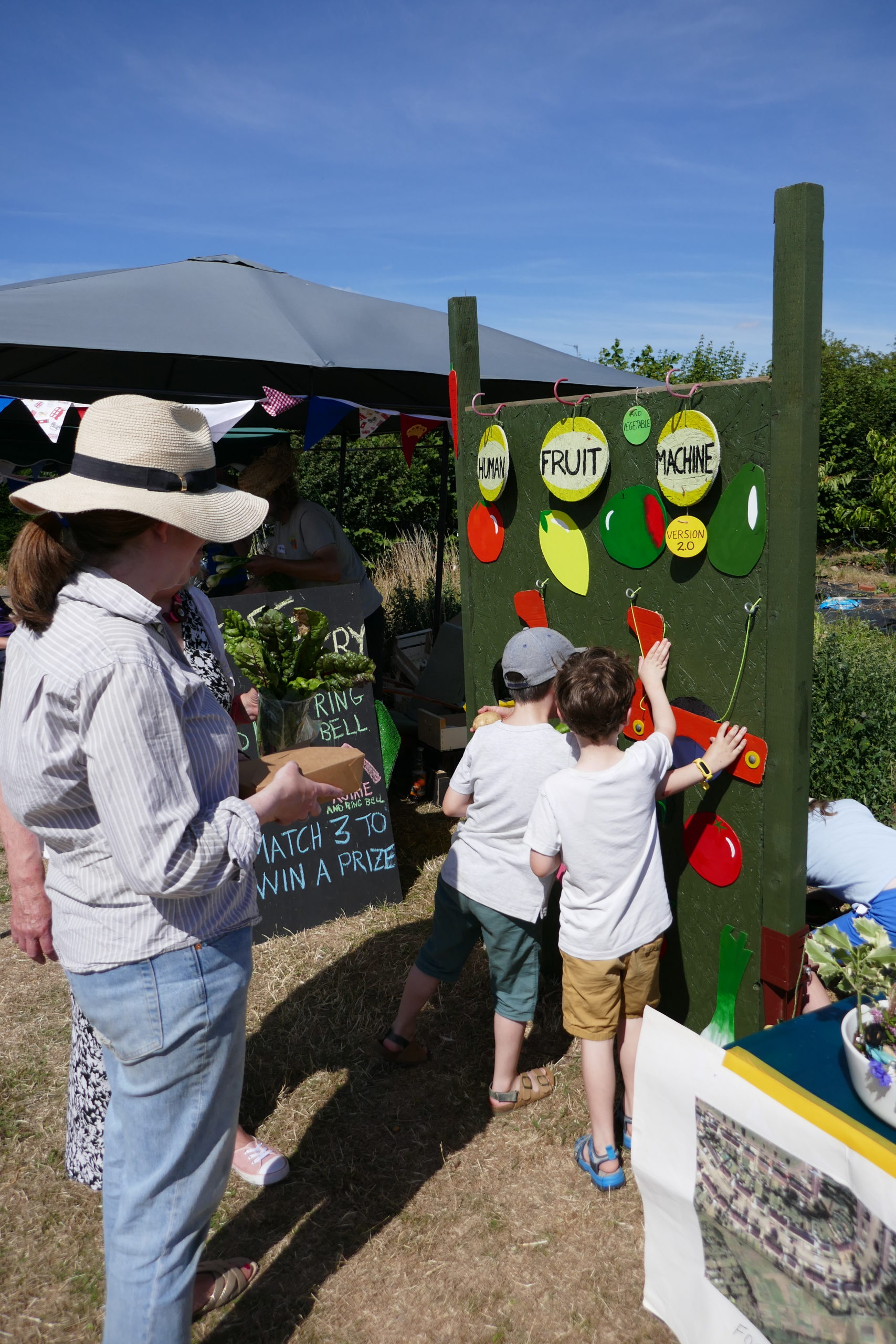
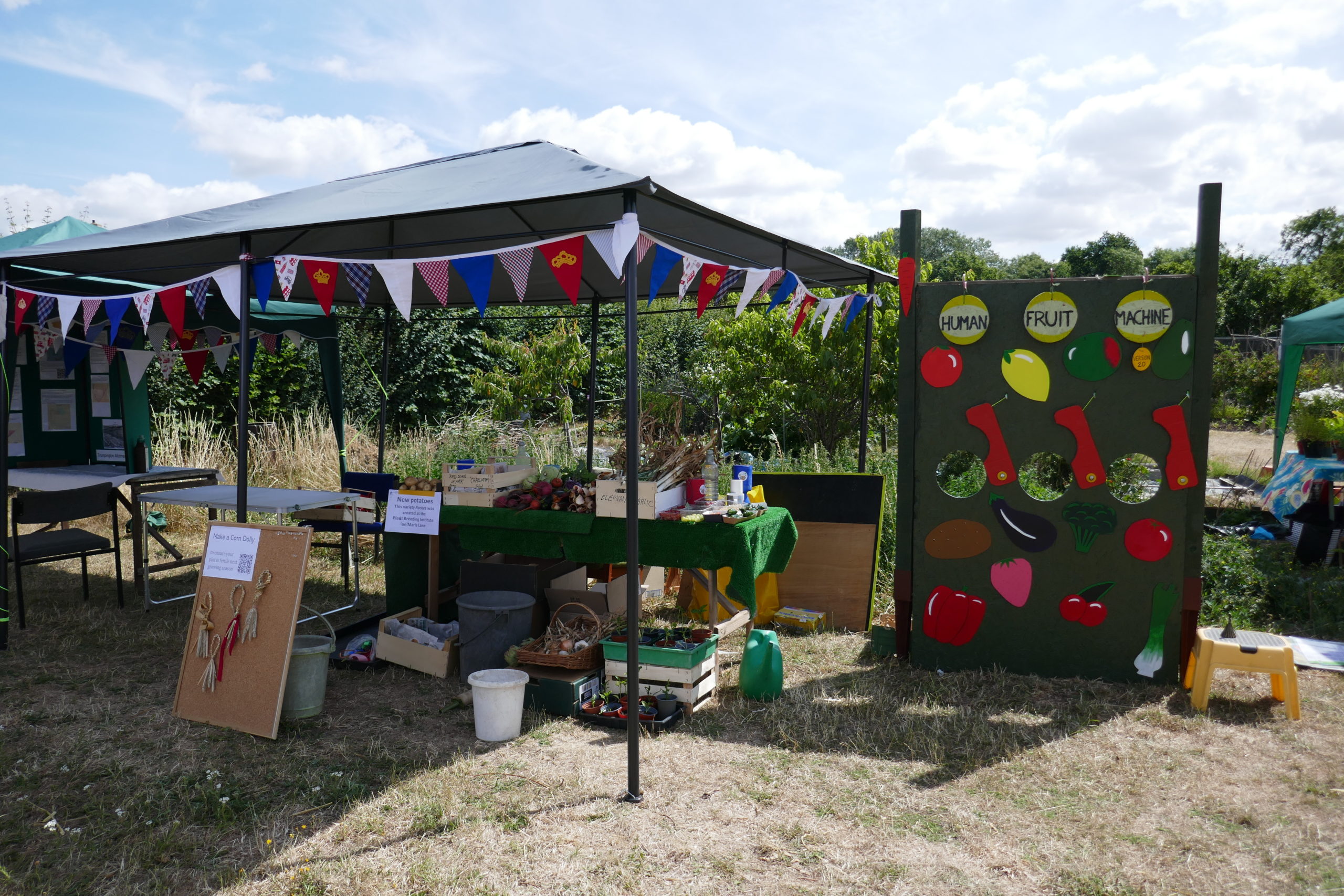
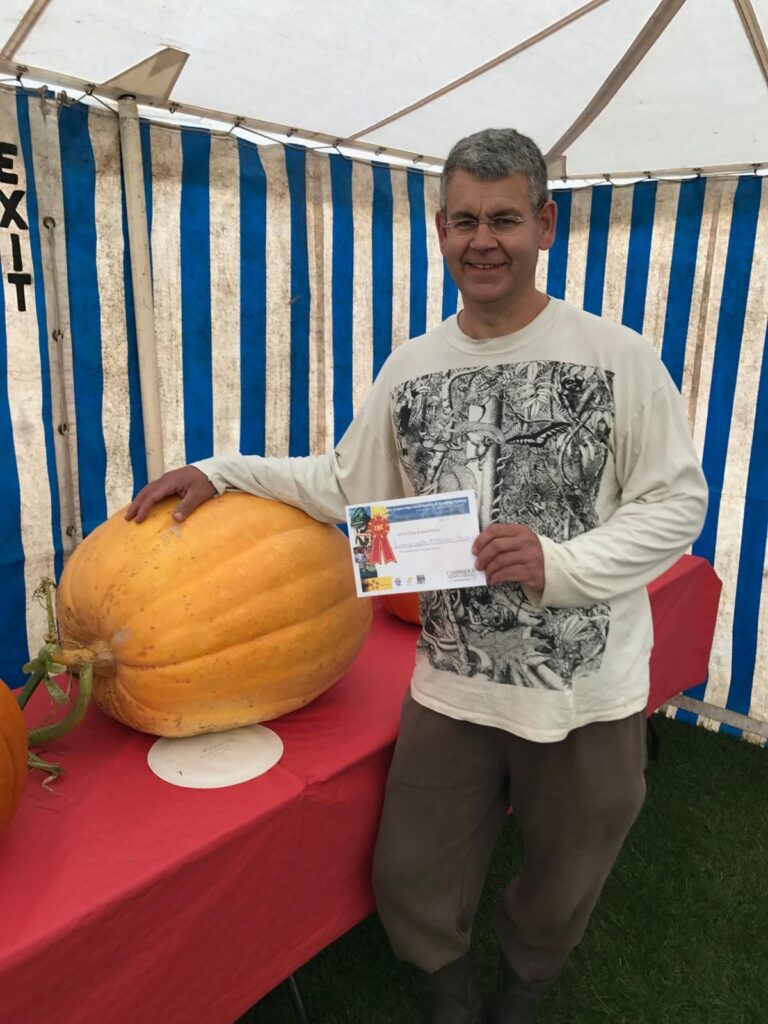
Dave used many ways to promote the value of allotment life, notably a Sunday farmers’ market stall that he helped to run for four years at Cambridge market.  This was a perfect way to meet people, to show the benefits of organic growing and to advertise the allotment sites.  He also ran grow-your-own sessions on his plots and, with Susanna, hosted children from the Fawcett Schools. Whenever we had an open day or Fawcett had a summer fete, Dave would be there with a stall showing all the produce you could grow.  He loved finding different ways to encourage growing – bean tickets at the seed swap, seed bombs at any event, and the Human Fruit Machine, a fun way to advertise fruit and veg loved by kids (and adults!). Cambridge 105 Radio invited him to contribute to their weekly Flavour programme. Alan would interview Dave on his plot giving seasonal advice but also showcasing his competitiveness in growing long parsnips and large pumpkins.  When Dave took his produce to the annual food show on Parker’s Piece, and if he didn’t win at least ten medals he was disappointed!

Dave became ill with cancer more than ten years ago. As always, he was quite pragmatic about it, and new members heard his story that he may not last that long, not as a sob story but as a basis to understand him.

Dave was Secretary of our Society for more than twenty-five years. As he became unwell, he divided up all the tasks he had been doing and spread them among many committee members – Plot Secretary, Membership Secretary, newsletter writer, plot inspector, and more….  And that gave the committee more impetus to run our society well, not only to let plots, but also to foster a social place for our members and visitors to enjoy. The site has been full for a long time with a huge waiting list and our active allotment Society is one that many in Cambridge look to as one to aspire to.

Dave’s attention to detail will live long with us, from to his excel spreadsheet of crop rotation, to the wonderful website he created for our society, his thorough knowledge of allotment legislation, through to his clarity of argument.

It’s hard to imagine our Foster Road site without him, but his spirit is here in all we do to keep the place happy and well used.

Pat Edwards
New tenancy agreement

A new tenancy agreement will come into effect 1st October 2023. After two draft versions were circulated in February and August 2022 and improved after tenants’ comments, the Special General Meeting on 24 September made a few further minor amendments and approved this final version. There are additional rules for Chicken Plots, Polytunnel Plots and Bees.

There is no need to print and sign at this stage. Copies will be issued for your signature in September along with your rent invoice.

75th Anniversary open day

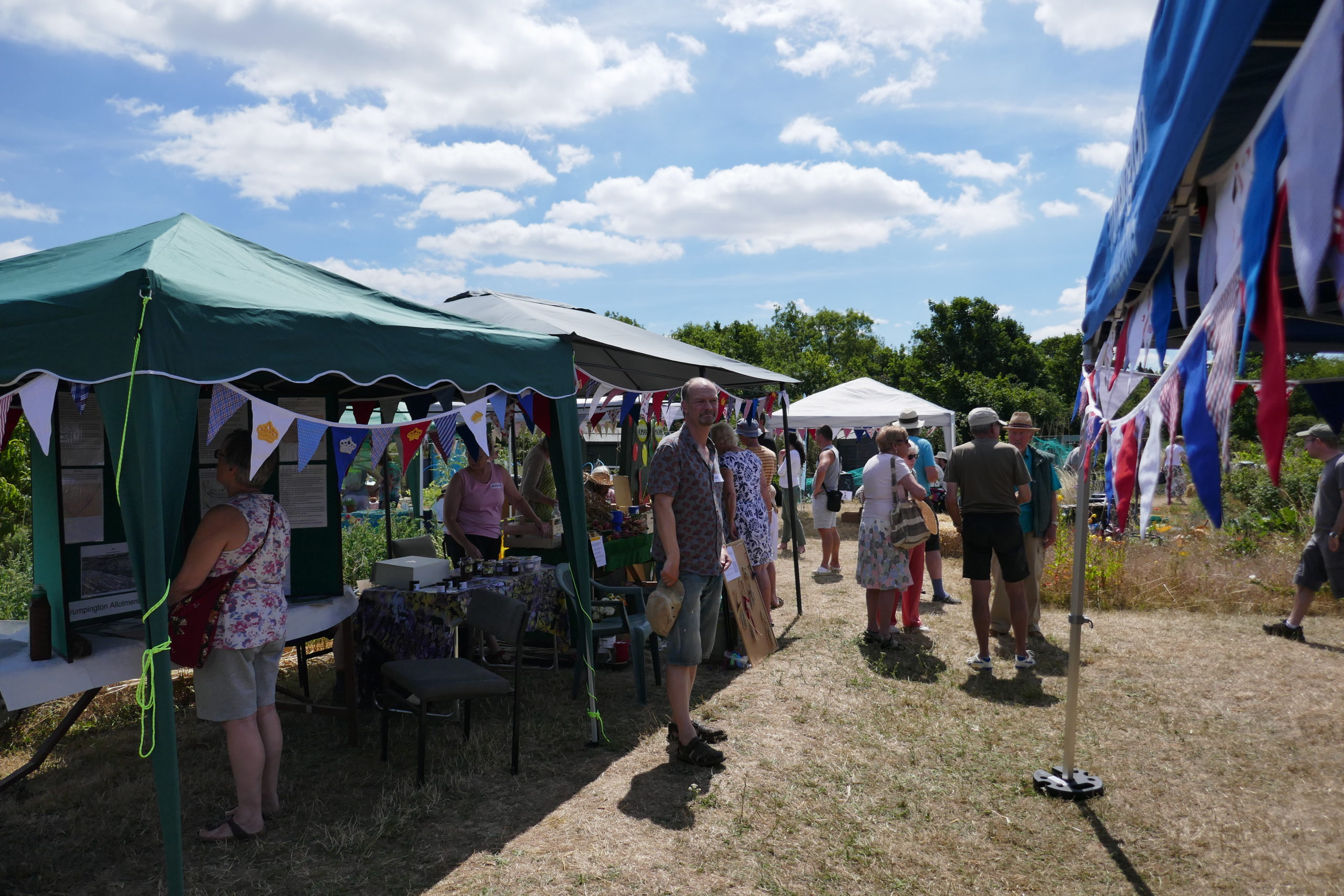
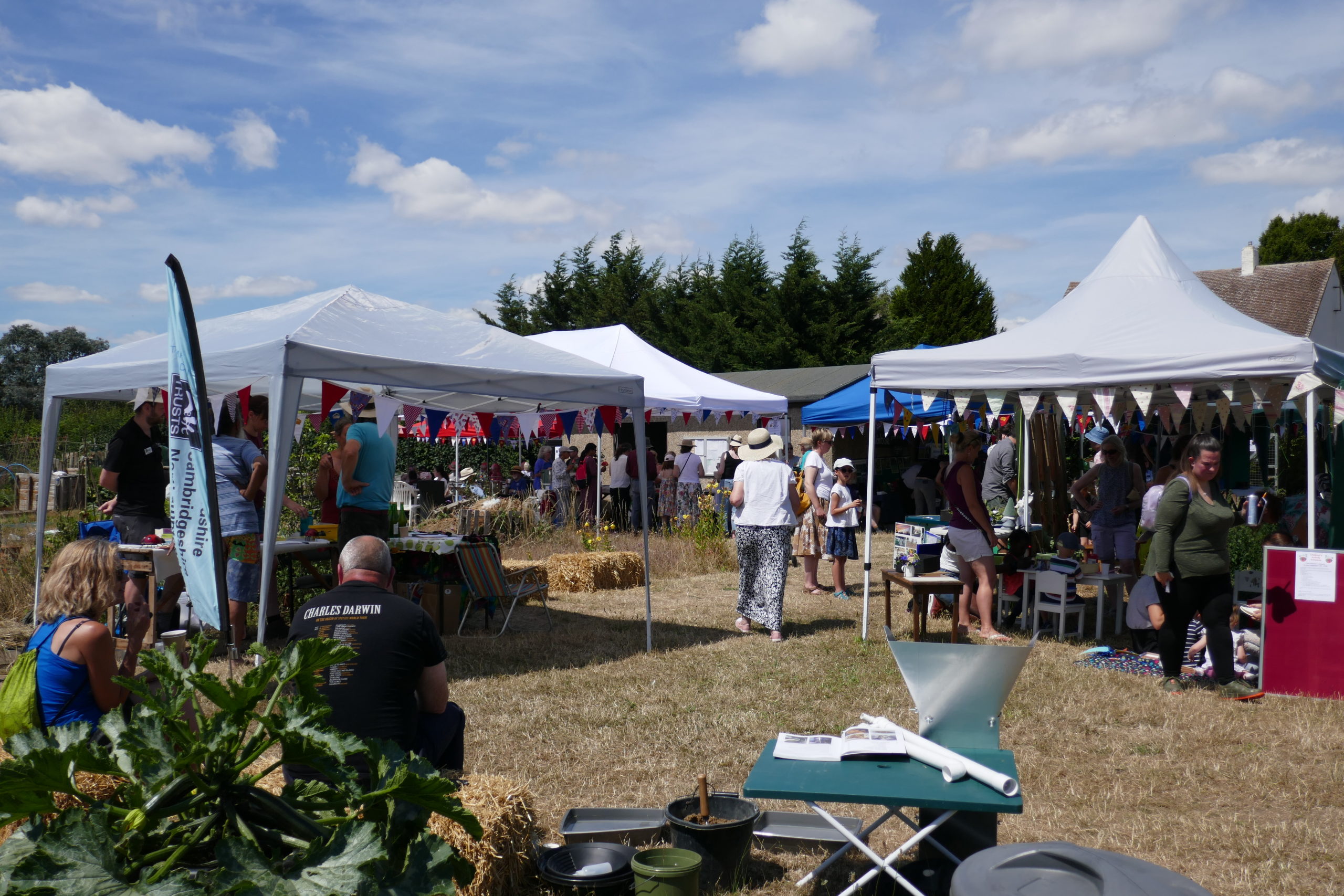
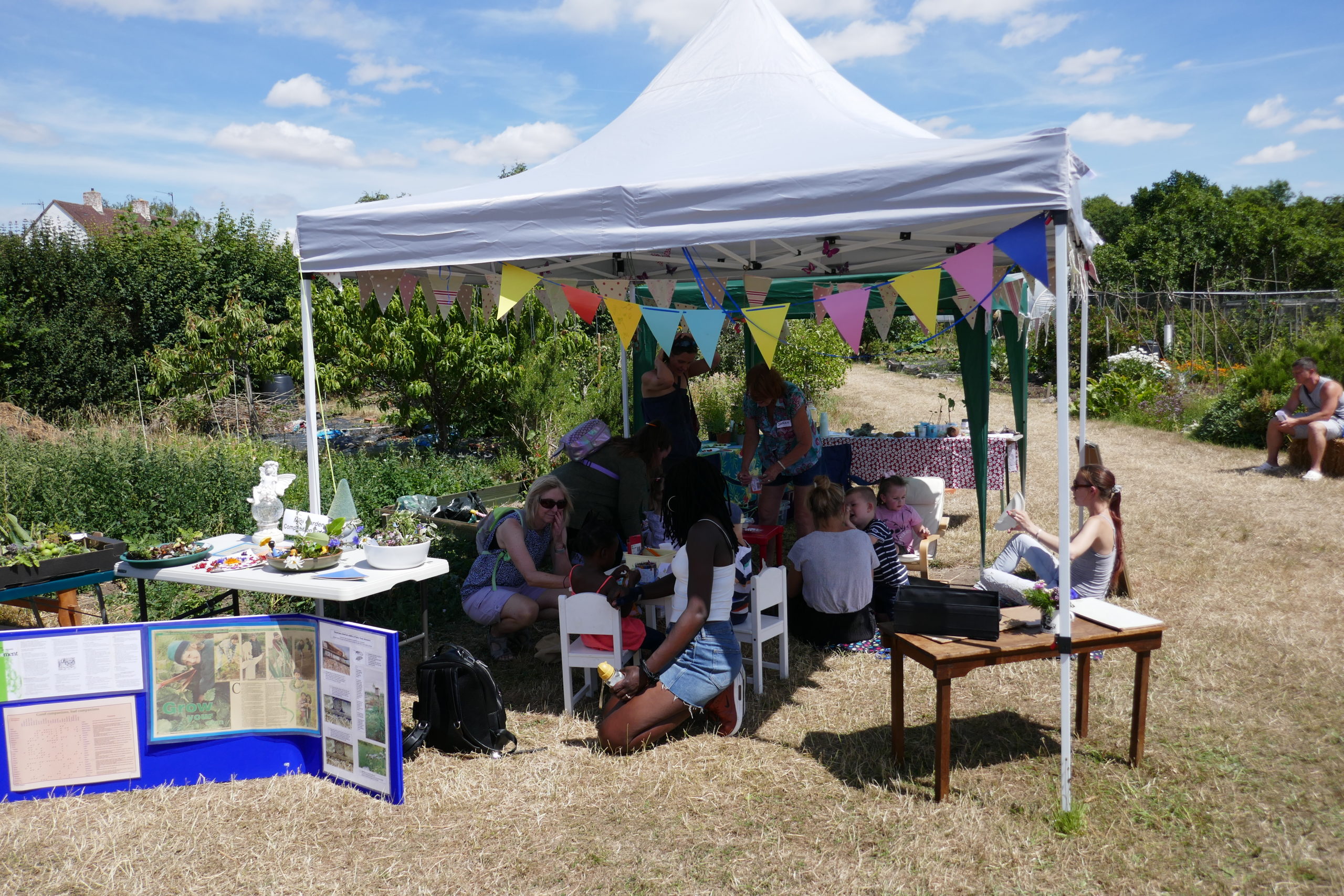
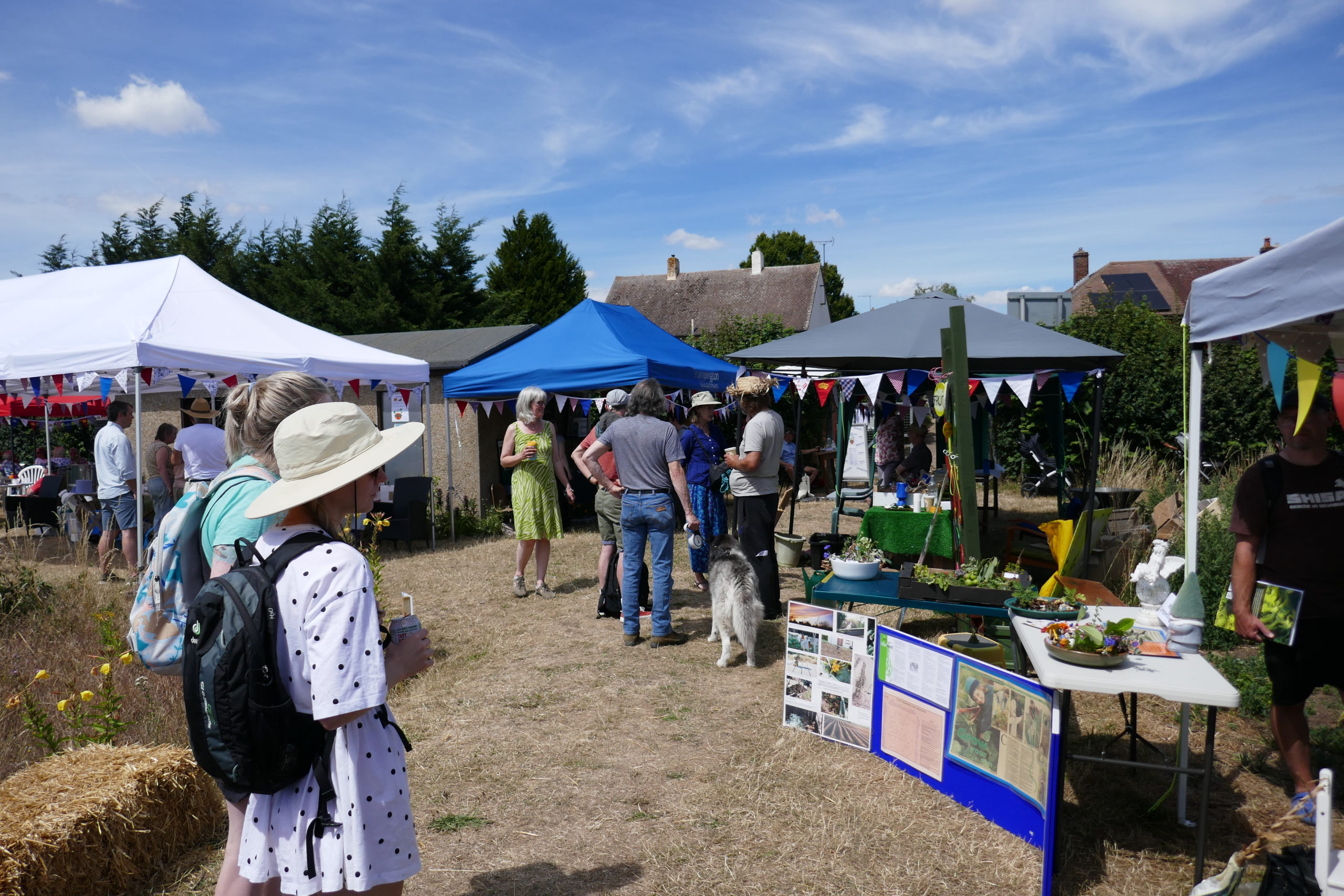
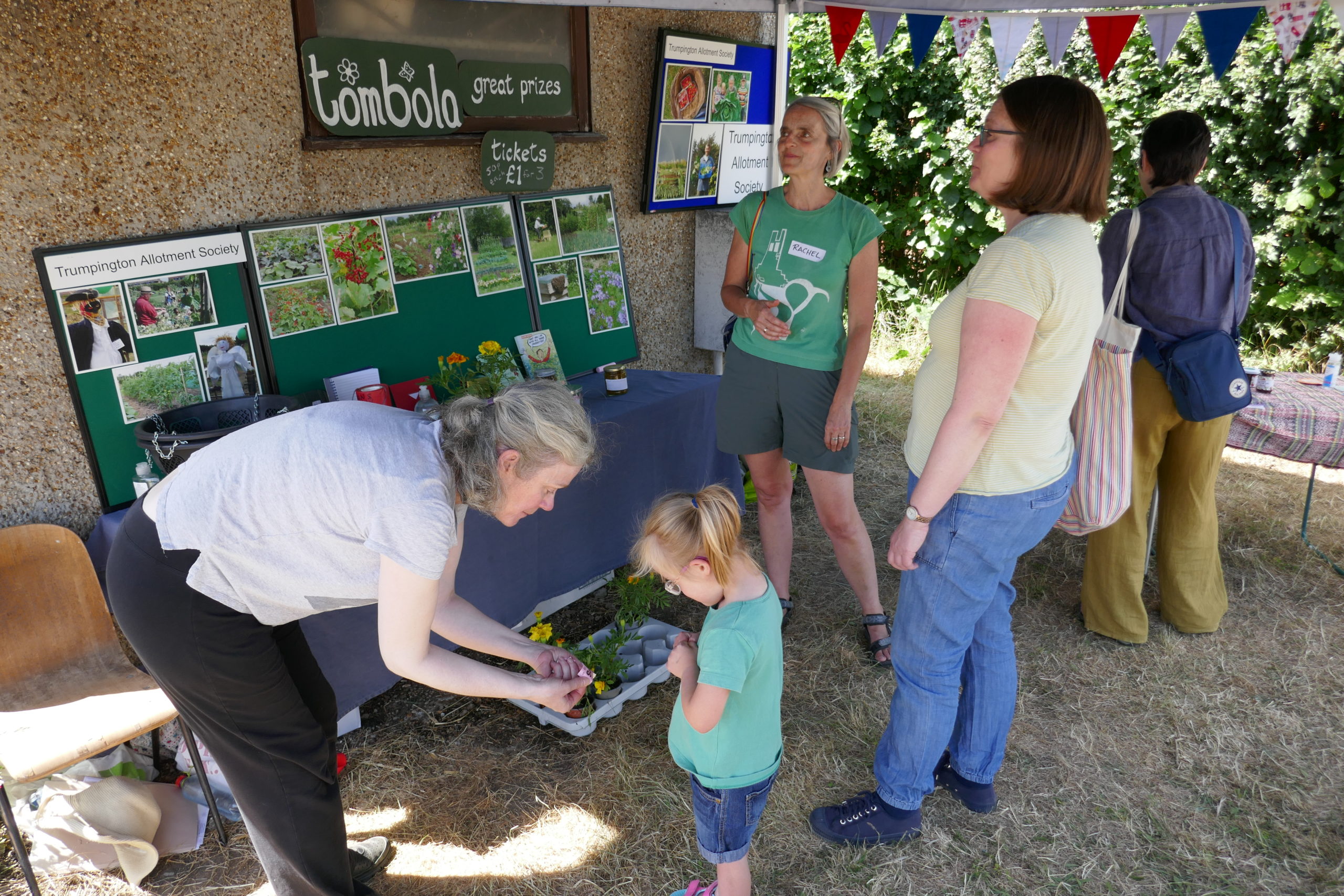
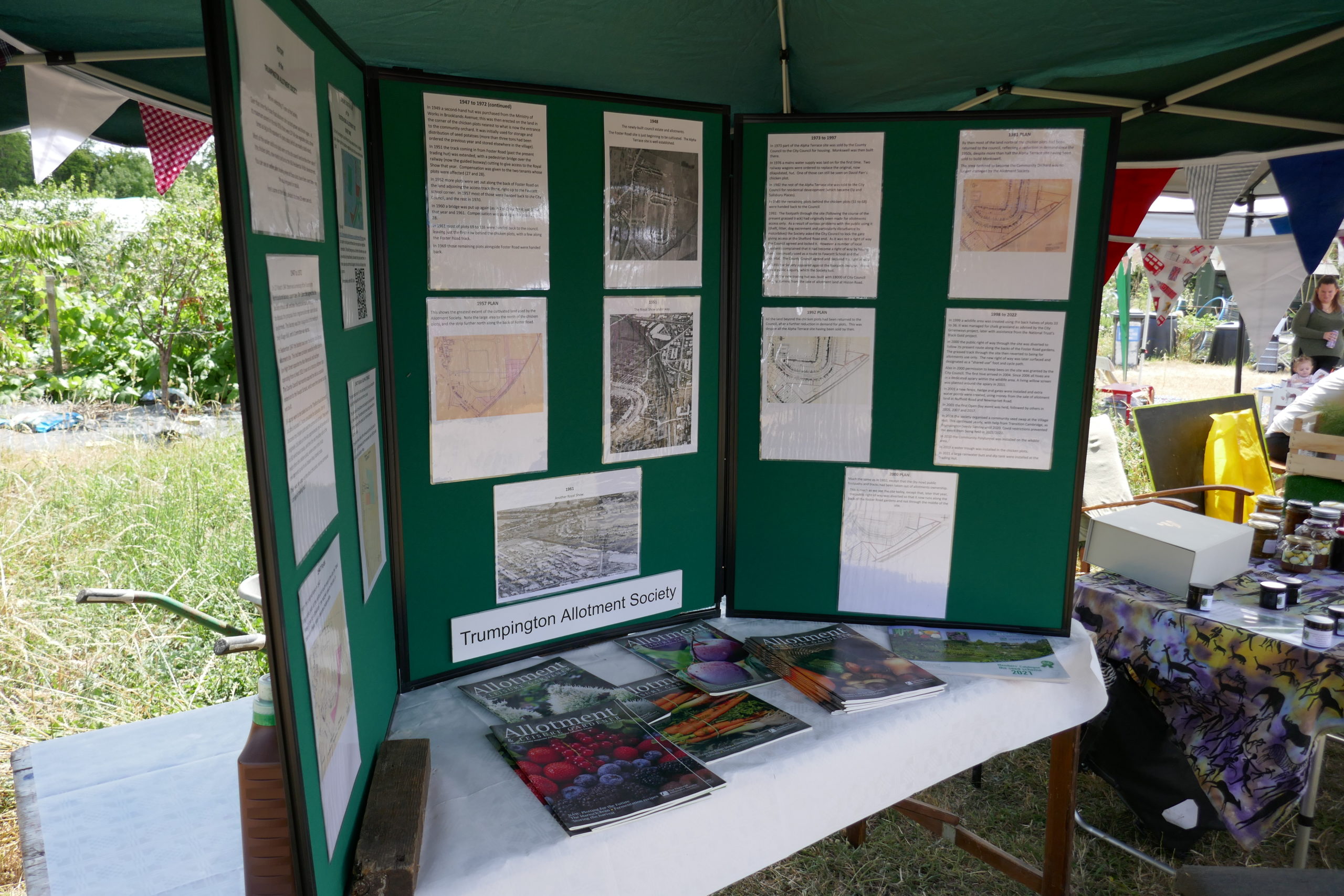
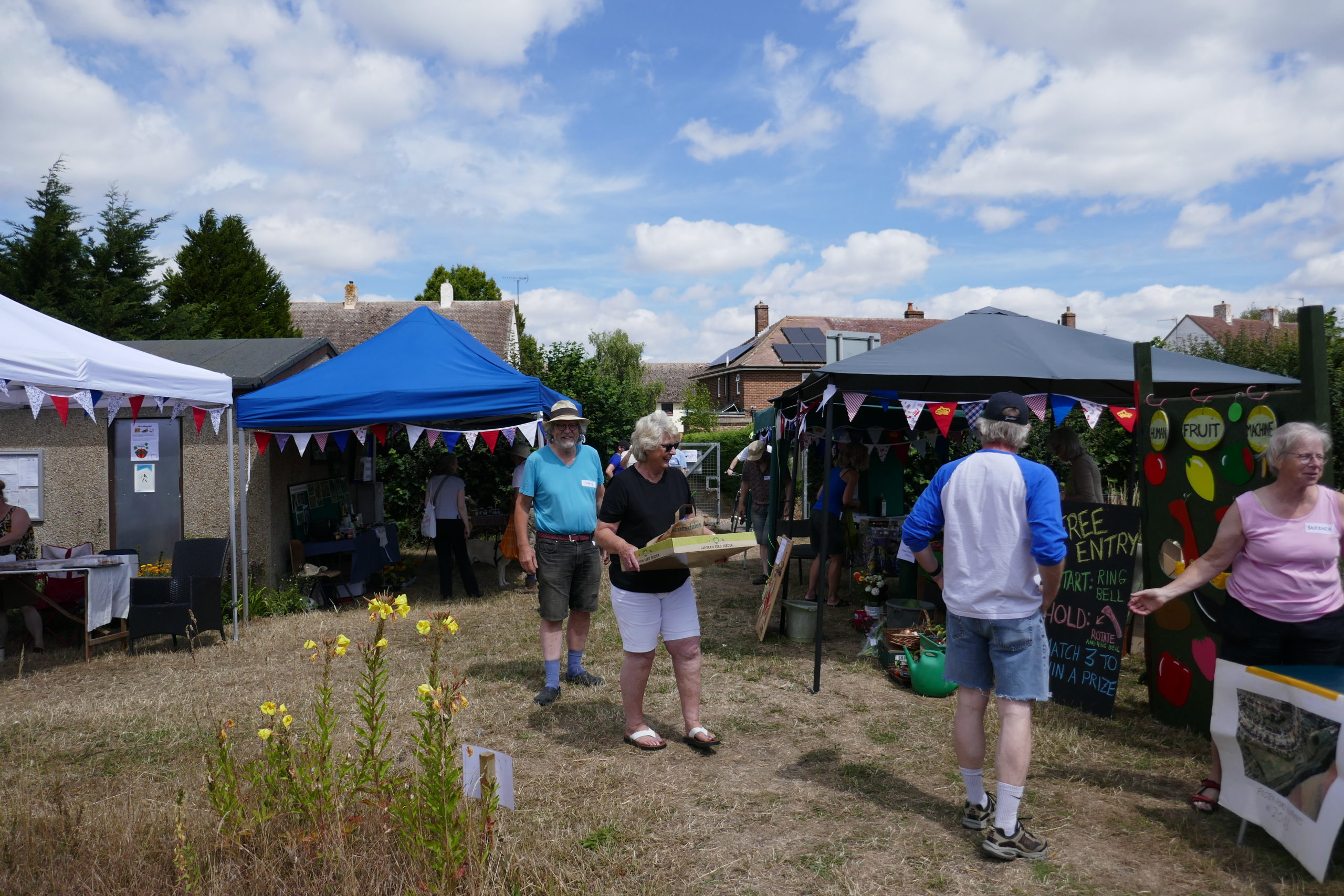
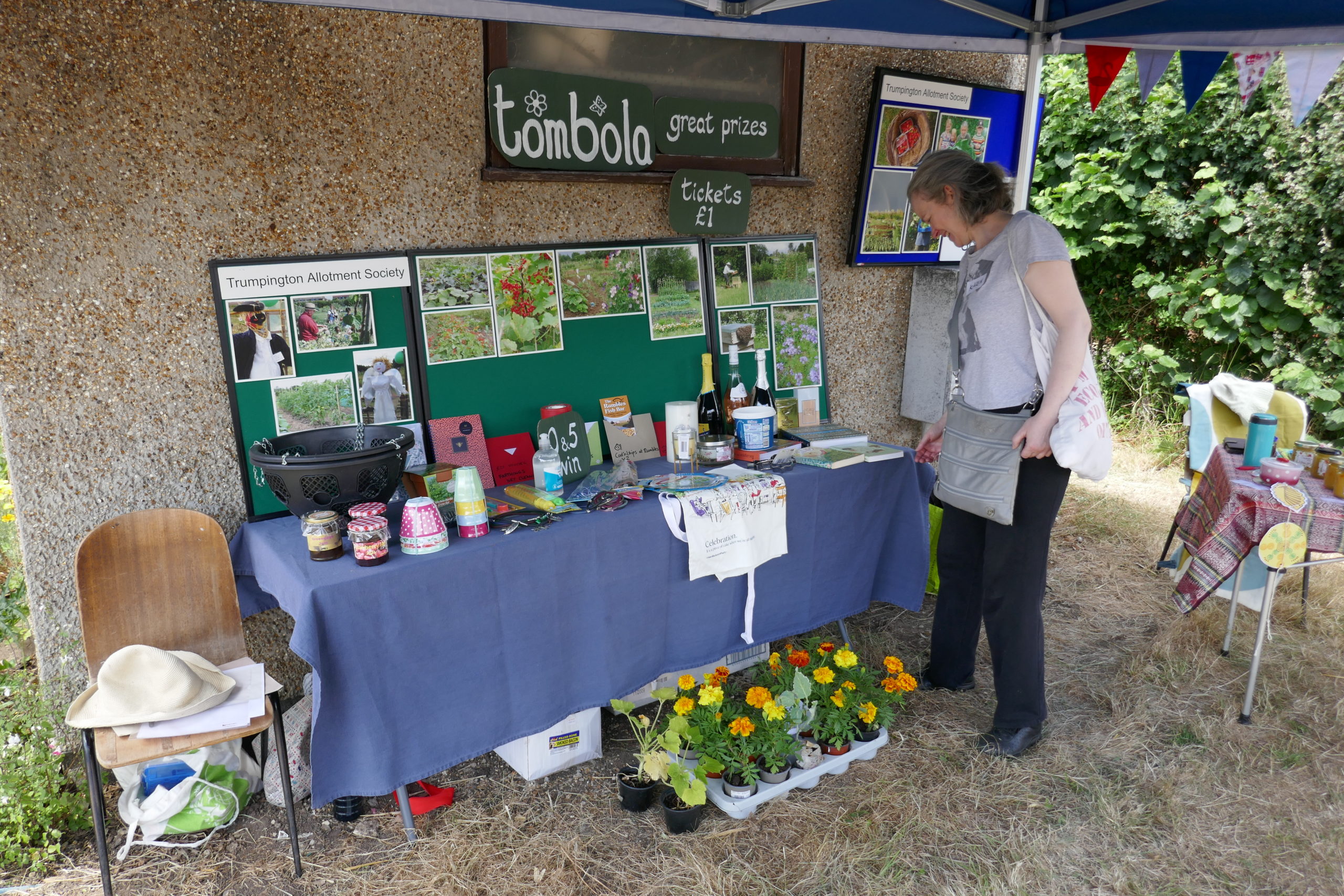
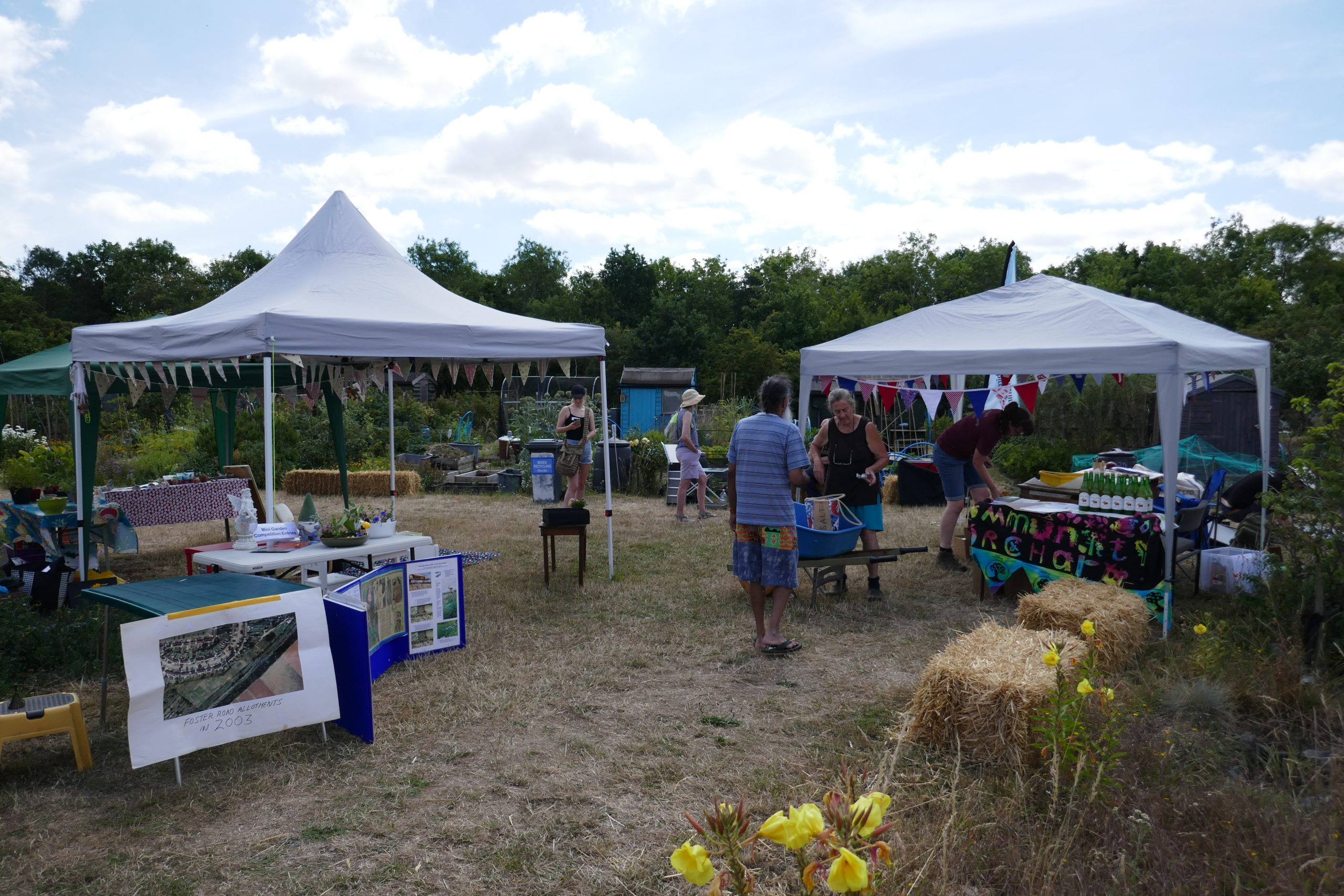
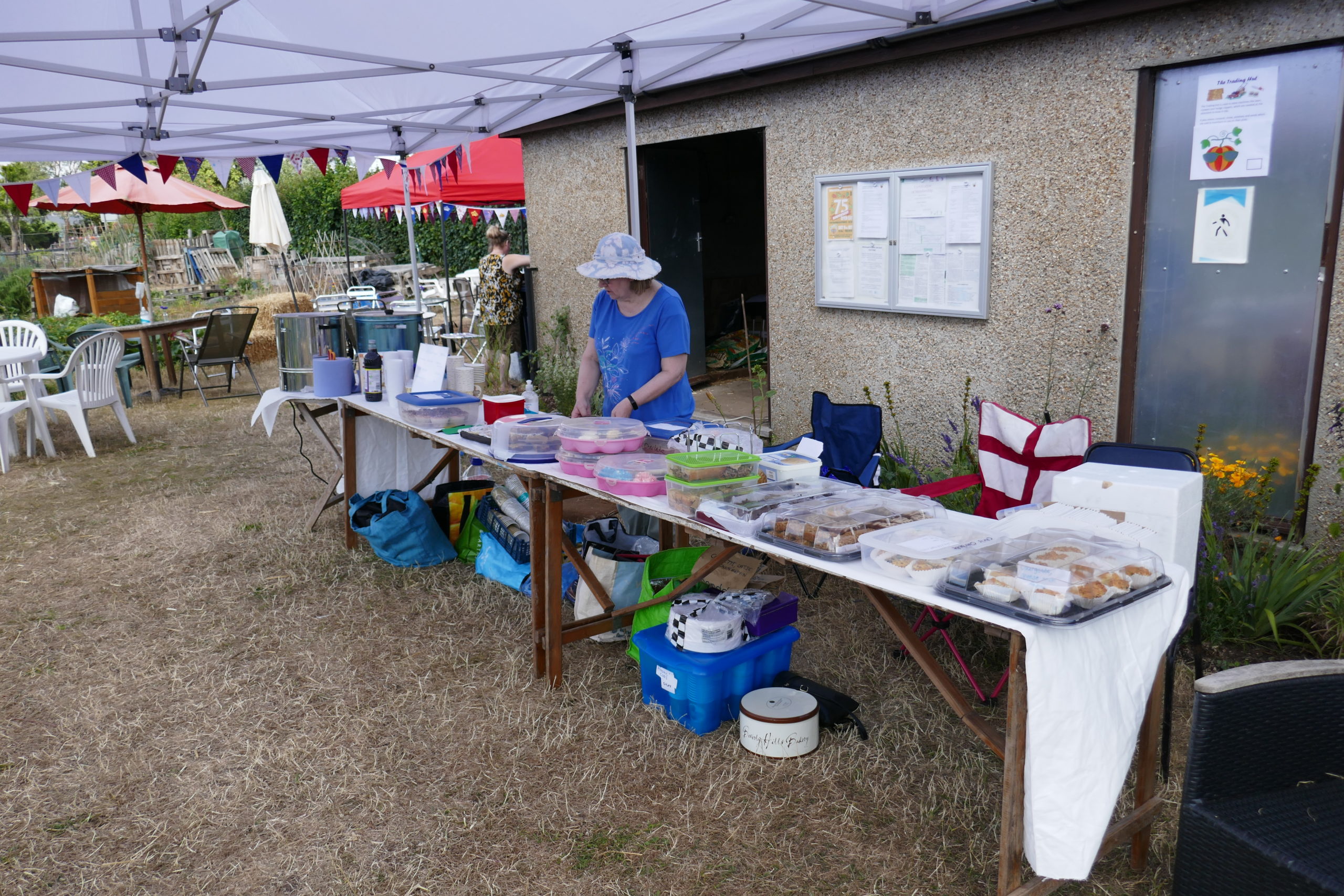
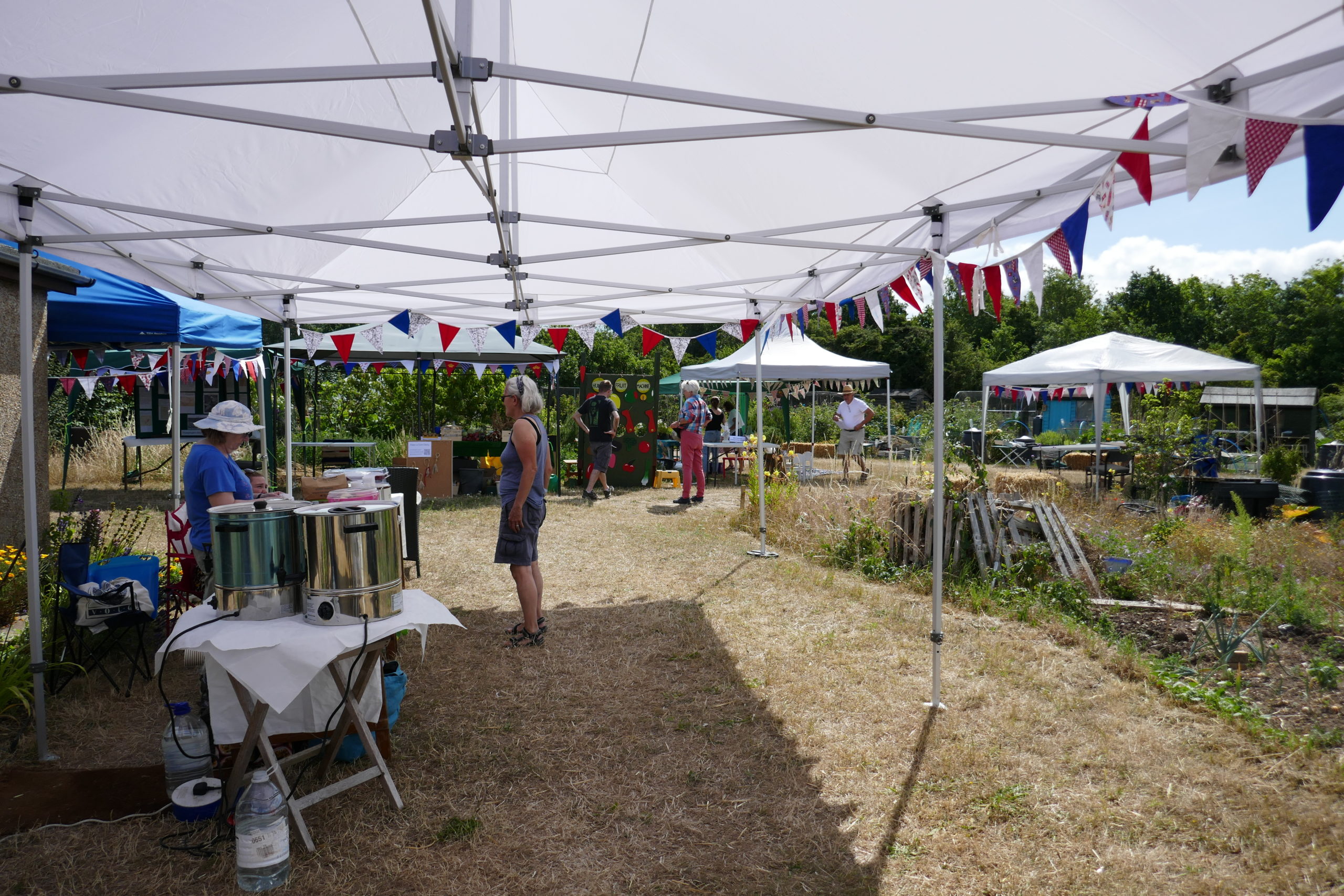
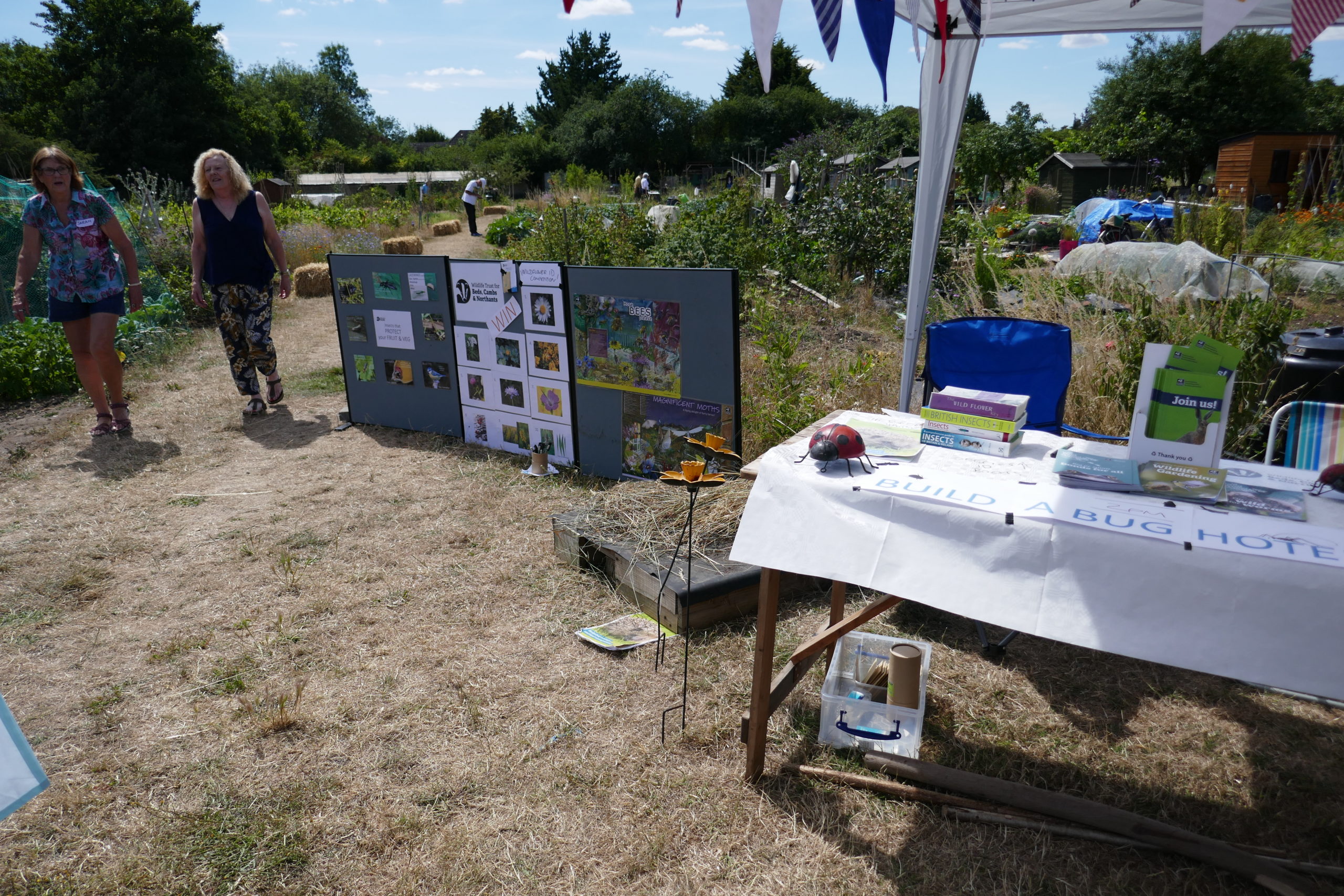
This event celebrated 75 growing seasons at Foster Road allotments. 180 visitors enjoyed a variety of stalls, games, children’s activities, site tours, refreshments and fine weather.

Lucy’s video gives a feel of our sunny, happy day…

Click above to scroll through photos

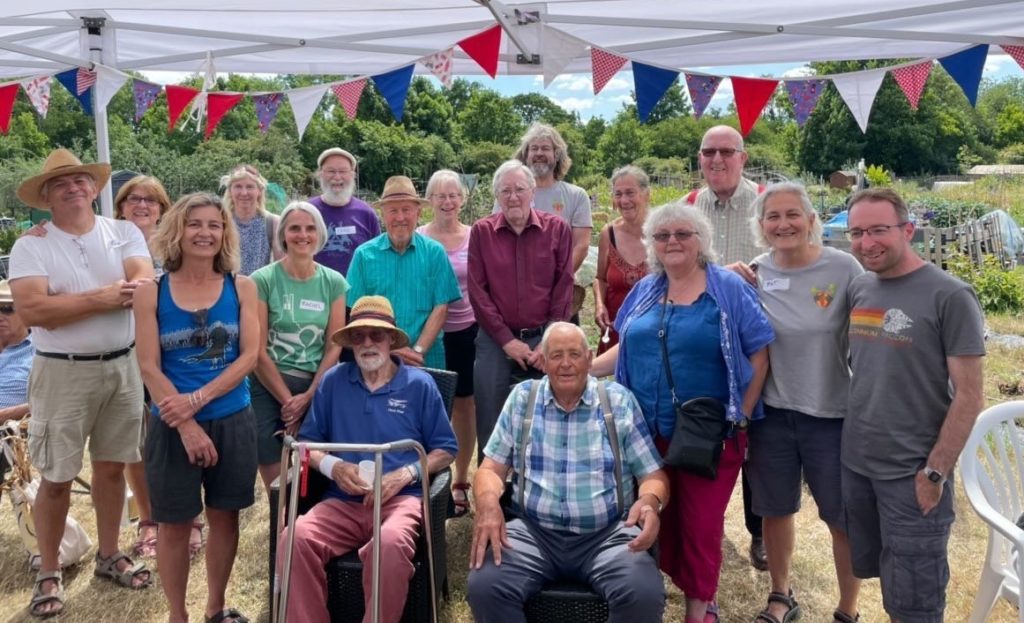
Past and present committee members

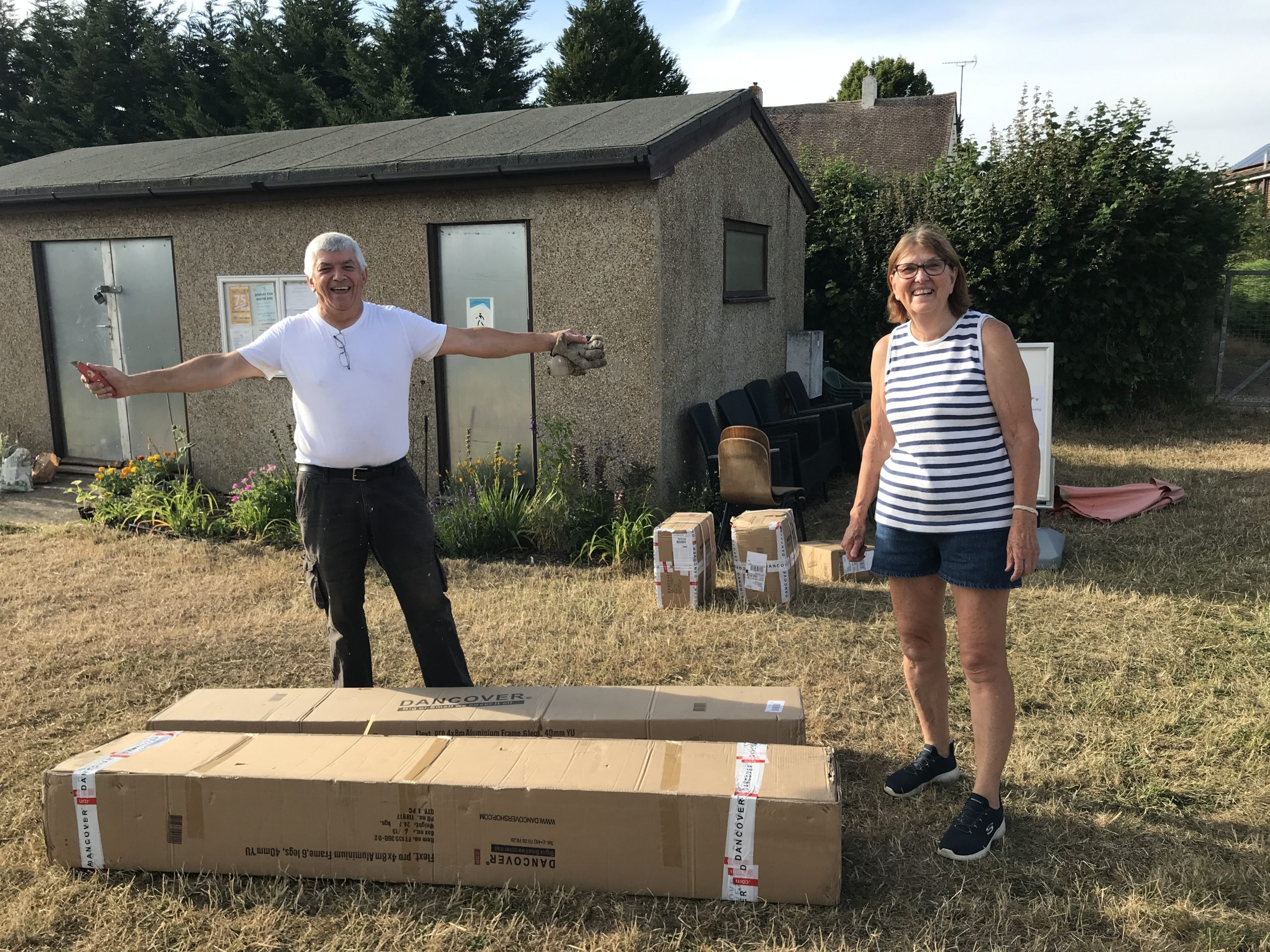
Click above for photos of the setup, before the event began

Article in the Cambridge Independent

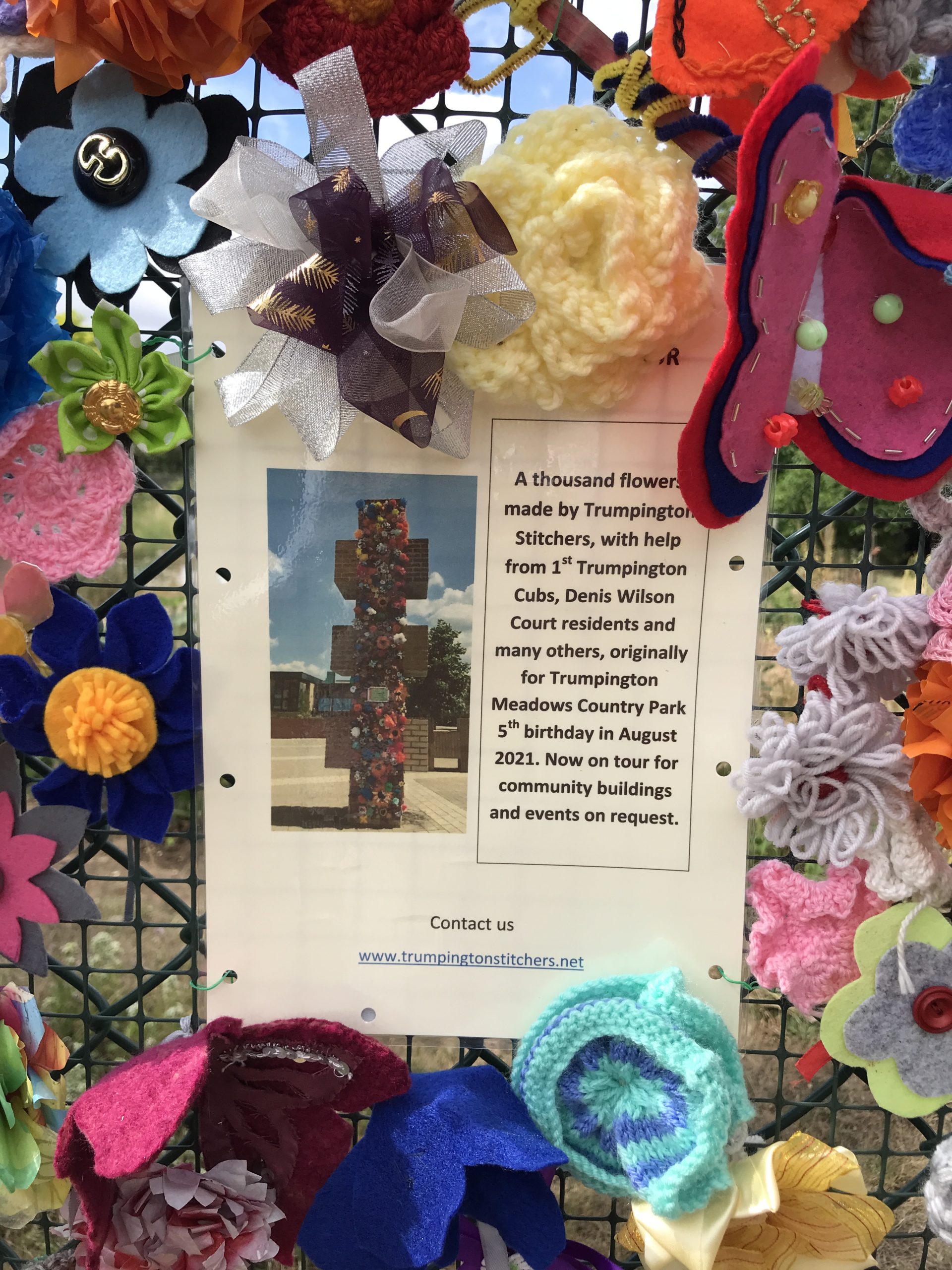
The society is very grateful to our many friends and neighbours who helped to create this event. These community groups took part: Trumpington Community Orchard, The Wildlife Trust BCN, Trumpington Local History Group, Trumpington Residents’ Association and Trumpington Stitchers. Thanks also to The Trumpet magazine for printing our advert, and to Cambridge City Council for a grant of £250 towards costs.

Cambridge City Council logo

Butt me no Buts

Over the past years we have seen several long dry periods and in the spring when water is needed for newly planted seeds etc. we have often had to resort to carrying water long distances from the troughs dotted around the site.
This water has, using a lot of energy, been treated to make it safe to drink, treatment that is not at all necessary for our flowers and veggies! We should do all we can to reduce the amount of this water we use.

Perhaps the thing that makes most difference is mulching and increasing the amount of organic matter in our soil so that it can hold more water. Personally I use a lot of grass clippings and comfrey for this, particularly on my potatoes. I also use wood chip, initially on paths and then when it rots down a bit I transfer this to my beds before replacing it.

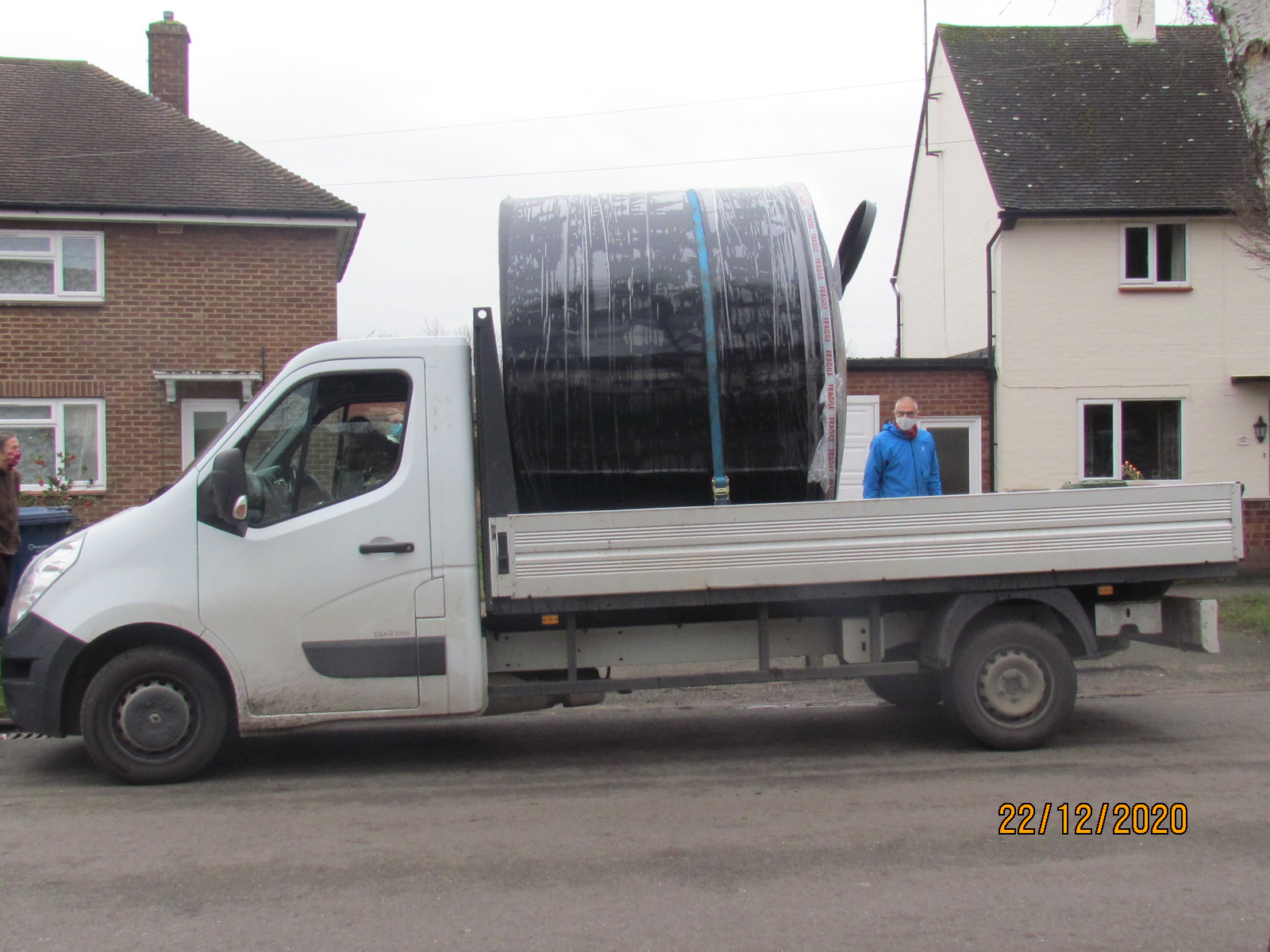
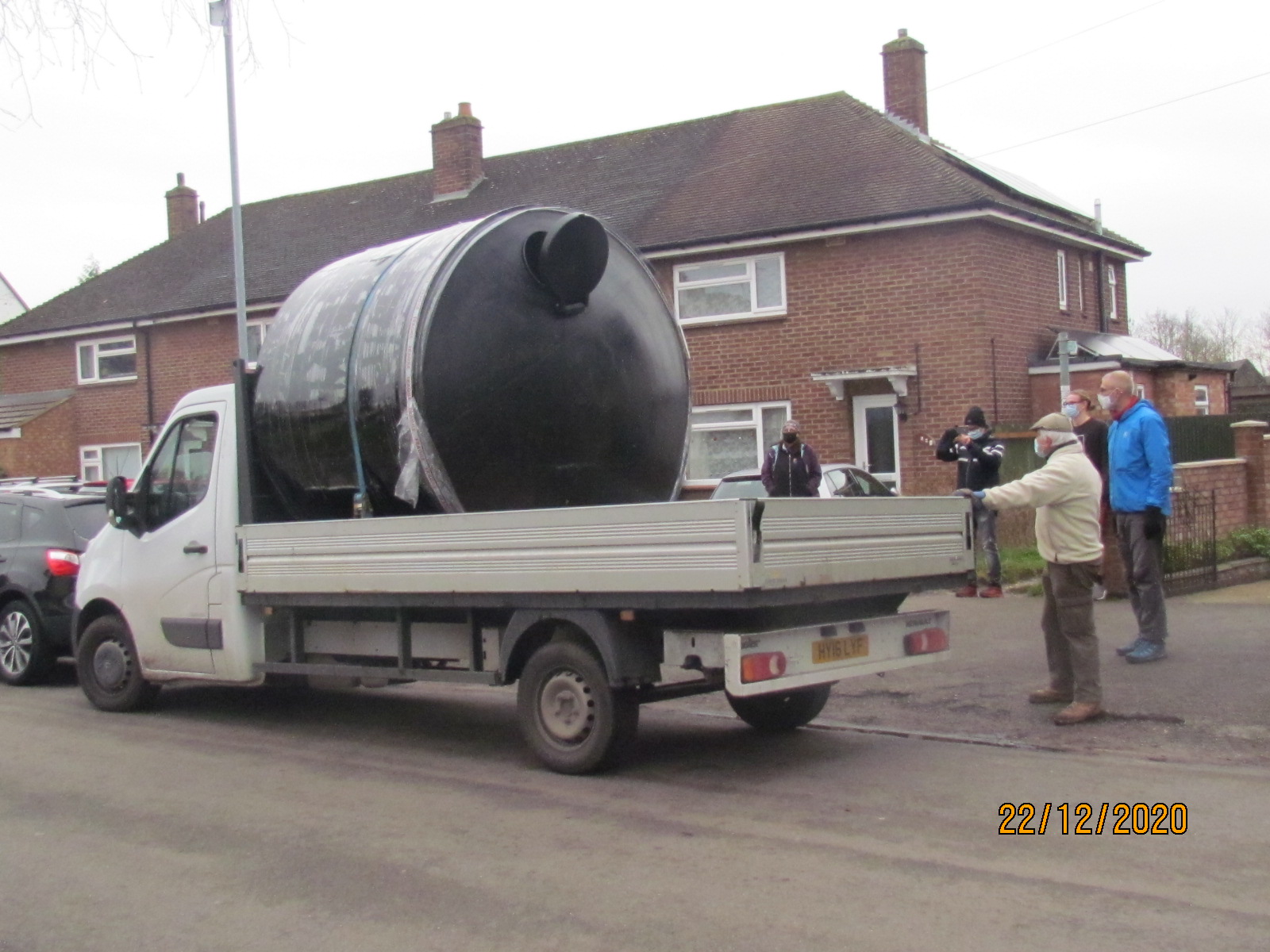
Those of you reading this who have plots in the fenced area and others who have been to the trading hut recently will see that we have also added some extra water storage next to the hut. A 6,000 Litre superbutt! This was installed earlier this year and is now over 1/3 full. It will shortly be connected up to a trough for those with plots in the area to collect water from it. If you have a shed on your plot do think about getting water butt. Also essential if we get very dry weather for blueberries as the hard water in this area contains chalk and they like an acid soil.

Finally, many thanks to those who helped on the day and Ceri for taking the pictures.

New blog mailing mechanism from 19/05/21

This post should get emailed automatically to subscribers by Sendinblue. We only have a few test subscribers ATM. You might also receive this as an admin of the website.

NB previously I was under the misapprehension that registered users on our website would receive blog posts by email. That’s wrong. People must subscribe to the blog explicitly, somehow. I have now added a mechanism for that, using SendinBlue as our mail sender. This is a free service (for up to 300 emails/day).

Registered users (a list of profiles hosted at our website) can edit the website (according to their user type) including adding comments to blog posts. They register by https://trumpingtonallotments.org/register

Blog subscribers (a different list, of email addresses, hosted by SendinBlue) receive blog posts by email, automatically. They subscribe via Subscribe button on the website sidebar.

When this is all working nicely I will invite currently registered users to subscribe to the blog.

We still need a picture…

European Foul Brood

As some may know, last year, during an inspection because this disease of bees had been found in the area, one colony was found to have this disease and had to be destroyed. A subsequent inspection provided the all clear but it looks like we will be subject to annual inspections for the foreseeable future as the strain of the disease previously limited to North Cambridge now seems to be endemic in the South of the area.

The good news is that this year’s inspection was clear though there have been warnings of the disease in the area again.

The other good news on the disease front is that the requirement for poultry to be kept under cover because of Avian flu was lifted on the first of April. This has never affected poultry kept on our site but there is a danger of spread, particularly from large intensive farms.

Peat-free compost trial

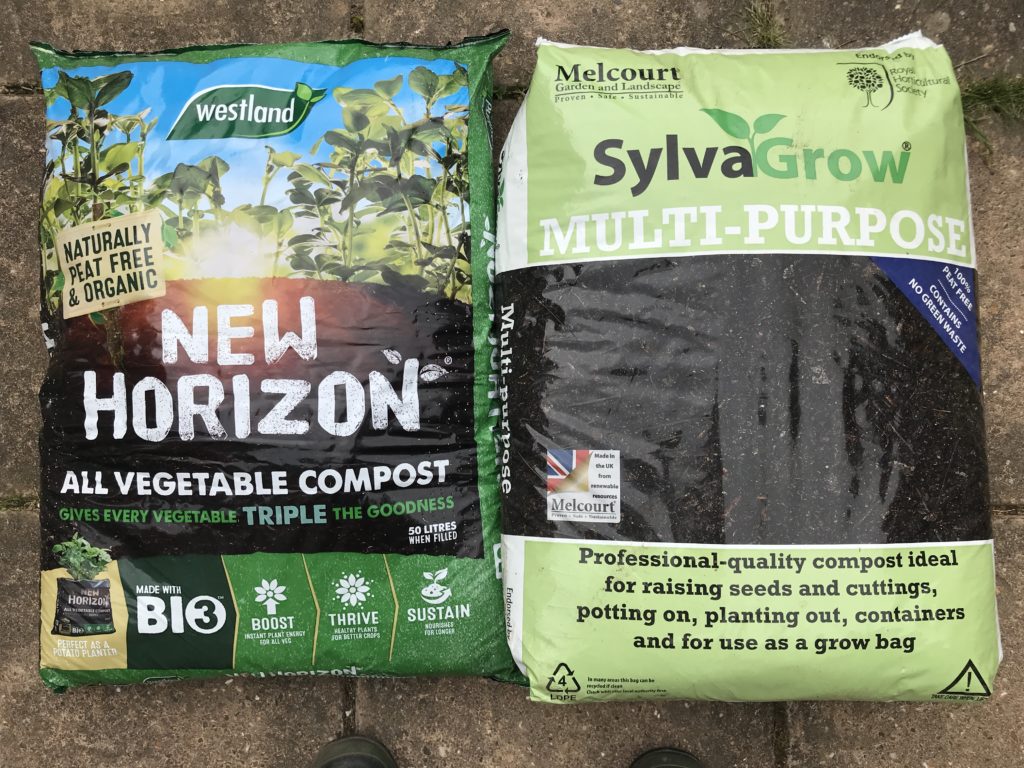
Comparing New Horizon and SylvaGrow

The society sold New Horizon general purpose compost at the Trading Hut for 20 years. Back in 2000 it was almost the only peat-free compost available. In 2020 we started stocking another brand, SylvaGrow, instead of New Horizon, so I wanted to compare these peat-free composts.

Trialled here are New Horizon All Vegetable compost and Sylvagrow Multi-Purpose compost.

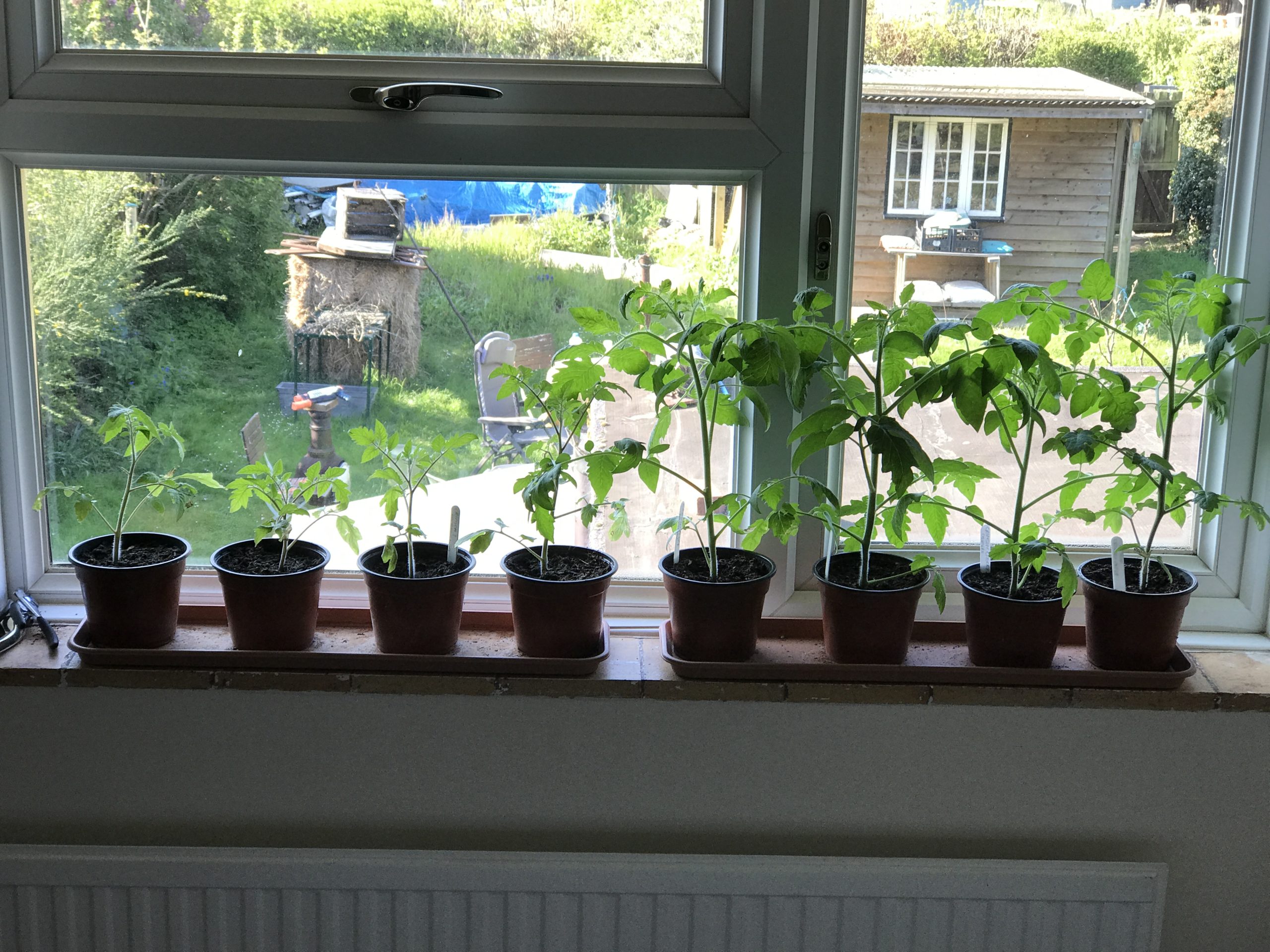
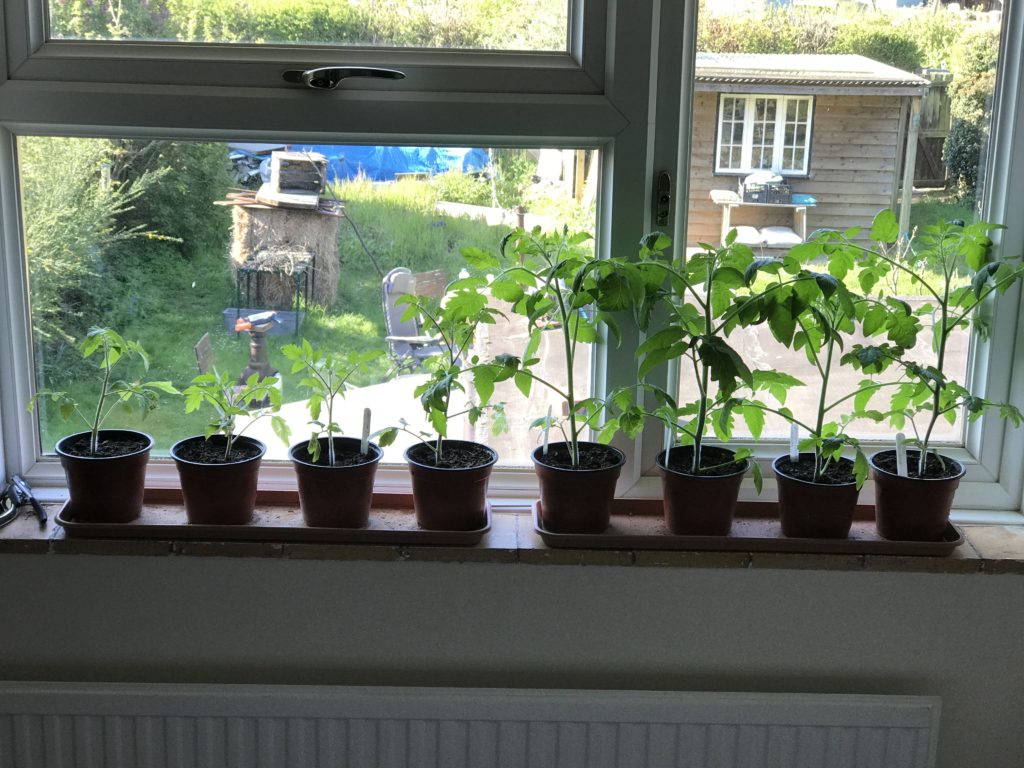
Pictured below are grafted tomato seedlings received by post and planted into identical pots on 14th April, and placed on a south-facing window sill.

New Horizon (left) vs SylvaGrow (right)

The four plants on the left are in New Horizon, those on the right are in Sylvagrow. I have swapped the two trays over every few days to ensure that each batch gets a similar amount of light. I have watered so as to keep the compost moist in each pot. After 20 days the SylvaGrow batch shows considerably stronger growth: the plants are double the height, they have more leaves, and their stem diameter is about 50% greater than the New Horizon batch.

Conclusion

It’s very clear: my tomato seedlings have performed much better so far in SylvaGrow than in New Horizon.

Further info

The plants here are the Crimson Collection from Chase Organics, each batch of 4 plants comprising 1 each of Crimson Crush, Crimson Blush etc. I bought two batches for £13.99 so these grafted plants cost £1.75 each.

I have potted up some other (ungrafted) tomato varieties in the same way: half each in the two brands of compost. They are all younger and smaller than the Crimson Collection at the moment, but I will have more examples to compare as they grow.

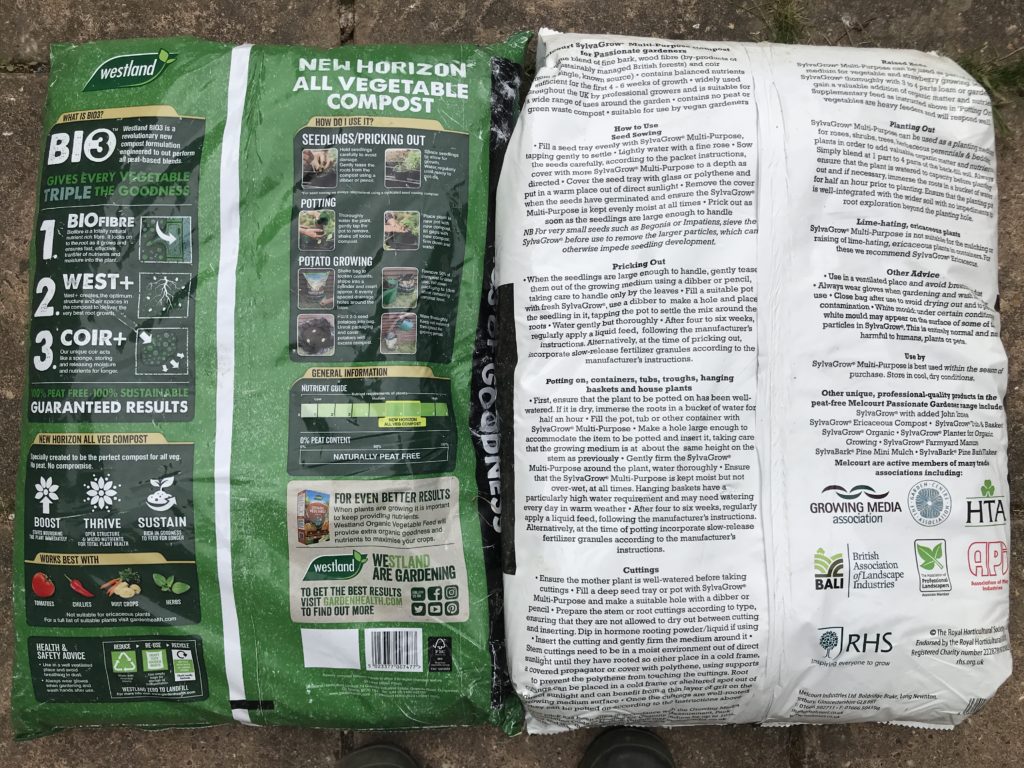
The two compost products seem to have similar ingredients but it is not entirely clear, because the info on the New Horizon sack uses marketing terms whereas SylvaGrow simply states what its ingredients are.

The particle size is larger in New Horizon than in SylvaGrow. The New Horizon compost does not hold water as well as SylvaGrow. Perhaps this is the reason for the performance difference: it dries out quicker, and when it is dry, water drains straight through.

New Horizon also do a product specifically for tomatoes which I have not tried yet.

A word about peat and composts: please don’t buy any product containing peat.

Warning: Most composts not labelled “peat free” will contain peat.

Members can buy peat-free compost on site at the Trading Hut.

Lighting along the cycleway

The potential addition of lighting on various local paths is being discussed in Trumpington Residents Association.

What do you think of lighting the path/cycleway which runs from Shelford Road to the busway? It would be good to form a collective view.

The route follows the boundary of our veg plots including the fence/hedge & the unfenced plots. It continues between our chicken area and the community orchard & the hazel platt.

Would lighting be appropriate along this whole route?

If not, where specifically would lighting be appropriate? Which parts should not be lit? Why?

What type of lighting would be appropriate at these locations?

Should any lighting operate throughout the hours of darkness? If not, when should lights be on?

View the route at https://www.google.com/maps/d/edit?mid=1RxDx_3rCqv0qwCtsN5Ch7Uh1goInv-pR&usp=sharing . Edit the map if you want and comment below

On my plot, early March

The beds are at 1m spacing

In the foreground, old secondary double glazing is laid on a bed to warm the soil ready for a speculative sowing of salads.

Behind that is a protected early sowing of Crimson-Flowered Broad Beans. Hard frosts were forecast so I used whatever I had to hand to add some protection. A single layer of new fleece would probably be as effective.

Another view of the same beds

I’ve put homemade compost on some of the beds. That’s why they differ in colour.

The same beds, one day later

After a warmer & wetter weather forecast, I removed the protection from the broad beans. The old canes laid diagonally tell me that seed has been sown. Thus I will not absent-mindedly hoe the bed and destroy the crop just as it germinates.

I also had a look under the warming glass. I found that some weeds have germinated, which indicates that the soil is warm enough to make small early sowings of radish and lettuce. Even better, there are some seedlings that might be self-set lettuce, so I will leave them and sow fresh seed in the gaps.

Preparing to sow onion sets

This bed is marked with two parallel lines in preparation for sowing onion sets. I use nylon builder’s line stretched between strong metal stakes to get straight rows.

FAQ: Why sow in boring straight lines? You could grow in pretty circles instead!

A: I plan to use a hoe to control the inevitable weeds, and hoeing is easiest along a straight line. If weeds grow unchecked the crop will get smothered and fail. This is true of almost every annual vegetable, and especially of onions.

Sow your veg seeds in a mandala pattern or inspirational spiral if you want — you can hand-weed this effectively on a small scale. But whatever scale you grow at, you should have a realistic plan for weed control!

Leeks under protection, and parsnips

The fine mesh was added last week to protect my leeks from Allium Leaf Miner. This fly can be on the wing mating and seeking laying sites throughout March & April. The hungry larvae cause serious damage to onions & leeks. There is a second brood in autumn so crops also need protection then. At other times you want to leave the mesh off to allow more light in, and easier access for weeding and harvesting.

In the foreground are my last parsnips which will need digging up in the next couple of weeks. You can see that they are already growing new leaves. This is the start of the flowering process when the roots lose food value. Get them out and eat them!